Update on June 24, 2021: Total amount for U-WatR CFI Innovation Fund has been awarded at $4M, which consists of funding from Canada Foundation for Innovation, BC Knowledge Development Fund (BCKDF), and various sources.
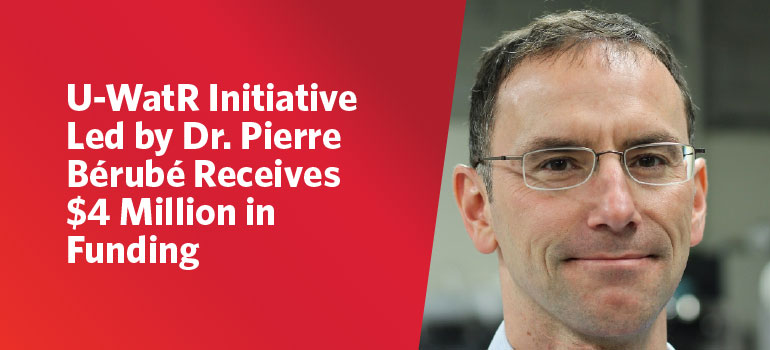
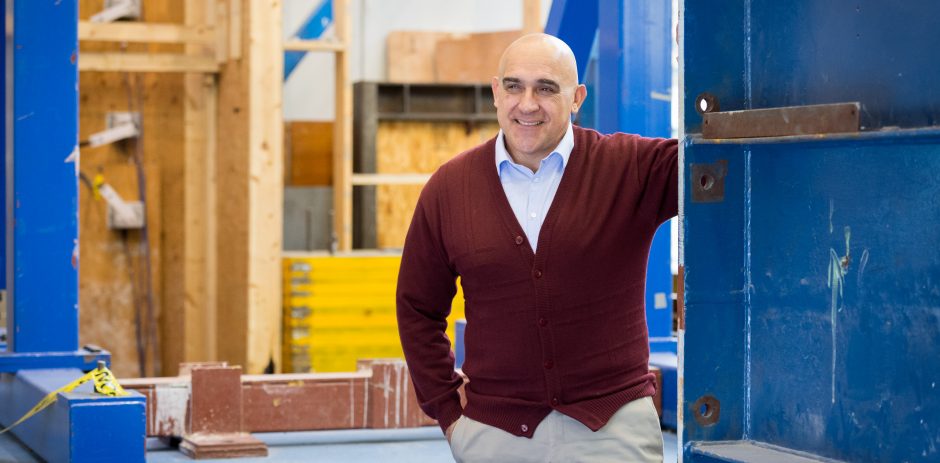
The Used-Water to Resources (U-WatR) initiative, led by Civil Engineering professor Pierre Bérubé, has been awarded $1.6 million through the Canada Foundation for Innovation’s 2020 Innovation Fund competition.
The competition, which funds up to 40 per cent of a project’s eligible infrastructure costs, aims to “enhance and optimize the capacity of institutions and research communities to conduct the proposed research or technology development program(s),” the Government of Canada announced.
The U-WatR initiative aims to transform existing used water treatment infrastructure into economically and environmentally sustainable assets. One of its main goals is to develop knowledge and technological innovations that will reduce and ultimately eliminate energy use and greenhouse emissions from water treatment.
U-WatR is comprised of a diverse team of emerging and established researchers who are global leaders in their respective fields. Their research outputs have been instrumental to the success of Canadian initiatives such as RES’EAU-WaterNET, and PEOPLE Networks; and global partnerships such as China-Canada Bioenergy Centre, Water Magic, MEMPREX, and MiDAS.
“The infrastructure obtained through the CFI will enable researchers at UBC to develop the novel technologies and solutions needed to transform used-water facilities into resource-generating centres while also protecting human and environmental health,” said Bérubé.
Dr. Bérubé’s initiative is one of nine projects led by UBC researchers that were funded. Together these projects were awarded a total of $28.3 million in research infrastructure support.
The Department of Civil Engineering is pleased to extend a warm welcome to two new faculty members:
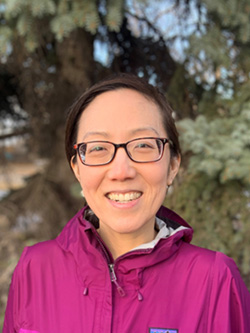
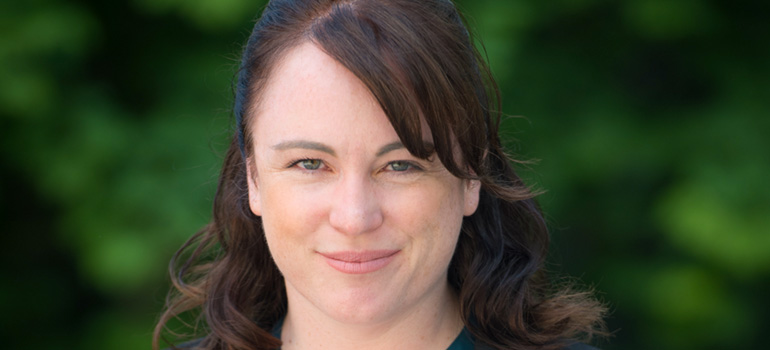
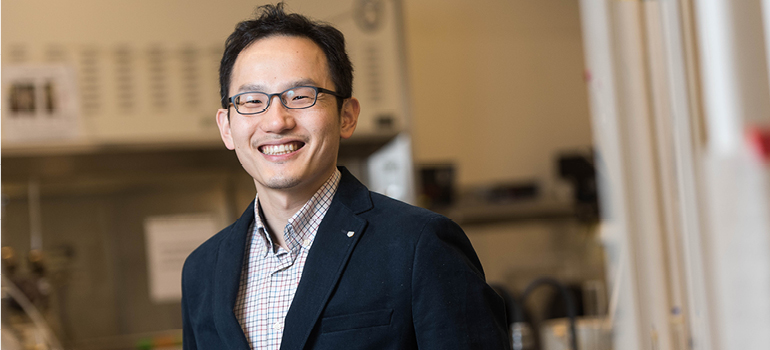
Dr. Amy Kim joins the Department as an Associate Professor in the Transportation Engineering specialization.
Dr. Kim’s research centres on modeling various aspects of multimodal transportation systems, and how this can help support strategic planning efforts and policy decisions. Areas of research Dr. Kim is active in include northern transportation planning, strategic transportation planning for natural disasters, and long-distance travel.
Her research, broadly called transportation systems analysis, is especially critical right now as climate change calls for adaptive and resilient transportation infrastructures.
Dr. Kim will be teaching 4th-year undergraduates and graduate students transportation engineering, planning, and systems analysis techniques.
“One of the greatest privileges of being a professor is the freedom to pursue the research questions I believe are important to society,” said Dr. Kim. “And it goes hand in hand with the responsibility of providing good training to future engineers.”
She hopes to equip students with the knowledge and critical thinking skills to tackle major challenges within transportation, including creating equitable access to opportunities for all Canadians.
“Providing good training includes creating an environment that embraces different perspectives and backgrounds—where all students are supported to succeed,” she said.
Dr. Kim grew up in Vancouver, but left to pursue her undergraduate degree at the University of Waterloo. She obtained a master’s degree from the University of California, Berkeley. After a few years in the consulting industry, she went back to Berkeley for her PhD. After spending nearly a decade as a faculty member at the University of Alberta, she is excited to return to Vancouver and join UBC.
“I most look forward to the people,” she said. “UBC attracts the best and brightest, and I am grateful for the opportunity to work among and with everyone here.”
To learn more about Professor Amy Kim and her research, please visit her Faculty Profile.
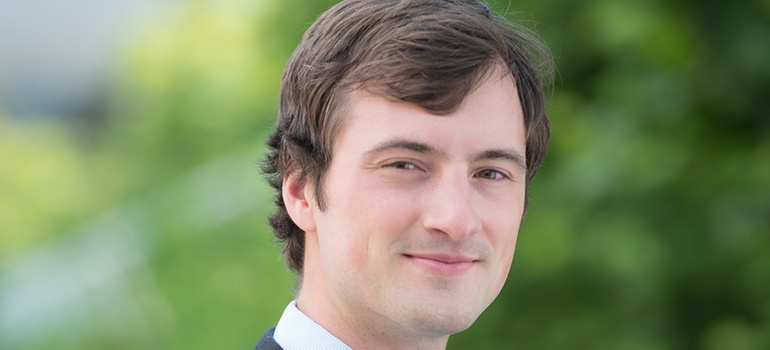
Dr. Zhengbo Zou joins the Department as an Assistant Professor. His appointment builds on the Department’s expertise in Project and Construction Management.
Dr. Zou’s research revolves around the relationship between humans and built environments. He uses quantitative methods, such as biometric sensing, to examine how architectural design features (e.g. the luminance level in an office) can affect the human experience (e.g. stress).
“I intend to integrate sensing, virtual and augmented reality, and machine learning, in the design, construction, and facility management of built environments to gain a deeper understanding of the relationships of humans and their environment,” he said.
In the classroom, Dr. Zou likes to use demonstrations to lay solid foundation of basic knowledge, and encourage student-led discussions and hands-on projects to help students develop problem-solving and critical thinking skills. He is particularly excited to introduce cutting-edge methods and tools to the next generation of civil engineers.
“Our graduates need to master state-of-the-art tools utilized by the industry, and hands-on practice with real-world projects provide invaluable experience to students,” he said. “I am excited to use Building Information Modeling (BIM) in teaching construction, as it introduces a new way of communication among stakeholders of a project beyond the traditional pen and paper.”
Dr. Zou’s journey began in Shanghai, China, where he received his bachelor’s degree in civil engineering from Tongji University. From there, he attended Carnegie Mellon University for his master’s in Advanced Infrastructure Systems. After a slight shift in focus towards project and construction, he obtained his PhD from New York University.
Dr. Zou looks forward to moving to Vancouver and conducting research in a city known for its commitment to environmental sustainability.
“Vancouver is an ideal place for my research topics because of its ambitious goal of reducing its overall carbon emissions by 50% by 2030, and currently, buildings account for 54% of the fossil fuels burned in the city,” he said.
“I also look forward to collaborating in research and teaching with other faculty members and students, as my research is inter-disciplinary in nature, and access to world-class researchers and the brightest students is key to shaping my research direction and methodology,” he added.
“It gives me great pleasure to welcome Drs Amy Kim and Zhengbo Zou to the Department of Civil Engineering. I am excited to have them join us in our mission to strive for excellence in teaching, innovative research, and promoting equity, diversity and engagement,” said Department Head Bernard Laval.
Congratulations and welcome to both Dr. Kim and Dr. Zou!
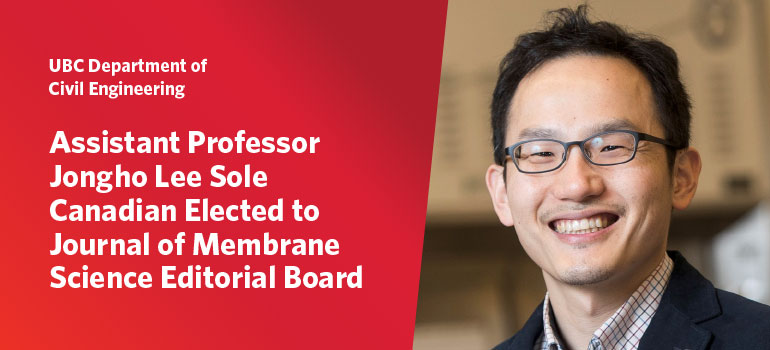
Assistant Professor Jongho Lee has been selected to join the Journal of Membrane Science Early Career Editorial Board (ECEB). Among hundreds of candidates from across the globe, Dr. Lee was chosen as one of three from North America and the only scholar from Canada.
The Journal of Membrane Science is the preeminent journal in the field of membrane science and technology. Membranes are thin sheets that allow for separating desired chemicals or materials out of their mixture with other unwanted compounds. They have a pivotal role in water/wastewater treatment, chemical production, and medical applications.
A prolific scholar in this field, Dr. Lee has an h-index of 17 and over 2,200 citations—a significant accomplishment for an early career scholar who received his PhD less than 10 years ago. The ECEB was inaugurated to recognize outstanding young researchers such as Dr. Lee and engage them in a path towards editorial work.
“I am honoured and humbled that my contributions to the field have been recognized, and I am passionate to continue my efforts,” said Dr. Lee.
As a member of the ECEB, Dr. Lee will conduct reviews and provide consultations to editors on manuscripts. He will also serve as an ambassador and promote the journal via social media, at conferences, and through other channels.
With the field of membrane science dominated by researchers from the U.S., Dr. Lee hopes to bring some focus to Canada through his involvement.
“As the only Canadian on the board, I hope I can increase the visibility of Canadian membrane researchers and promote the great work they are doing,” said Dr. Lee.
“I am also excited to connect with other rising young scholars in my field from all over the world,” he added. “I hope to build stronger relationships that will result in more student exchanges and the discovery of new ideas.”
If you are interested in joining Dr. Lee’s research team or learning more about his work, please visit his Faculty Profile.
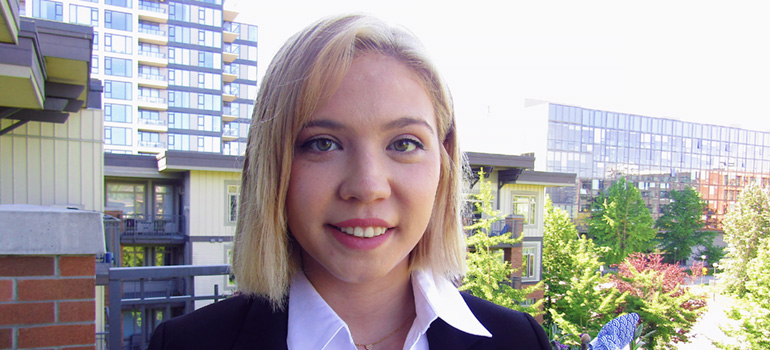
Preetish Kakoty (PhD, ’22) has been awarded the 2020-2021 UBC Public Scholar Initiative fellowship. He is one of two UBC Faculty of Applied Science students to receive the honour this year.
The metro Vancouver region faces major seismic risk due to its close proximity to the Cascadia Subduction Zone. This risk is further elevated because of the Georgia sedimentary basin, which amplifies ground motion shaking.
Together, these factors may potentially bring disproportionate impact to older, tall buildings in West End of Vancouver—many of which house vulnerable sections of the community.
Preetish has been working closely with the city of Vancouver and other researchers to understand the amplification of earthquake shaking due to the sedimentary basin and its impact on communities in a future large magnitude earthquake.
“My collaboration with the city of Vancouver has given me an opportunity to contribute to the city’s seismic policy and actively inform upcoming seismic resilience targets of the city,” he said. “I’ve also collaborated with researchers from communities which have similar experience of recovering from major earthquakes to integrate their learnings in my research.”
Preetish’s enthusiasm for earthquake engineering began during the final year of his undergraduate, when he was involved in researching the seismic risk of his hometown of Guwahati, which is located in the Himalayan region at the eastern frontier of India.
“The experience introduced me to a wide variety of topics in earthquake engineering and the impact that this research can have on a community,” he said.
His immense curiosity to gain more depth in this area led him to pursue the PhD program at UBC Civil Engineering.
“I was interested in joining a program which has a thriving disaster research community as well as a research group which is inter-disciplinary in nature,” said Preetish.
“Preetish shows a strong sense of commitment to his research. He works independently with creativity and enthusiasm. I believe he has the potential to make significant research contributions in the field of earthquake engineering,” said Dr. Carlos Molina Hutt, Assistant Professor and Preetish’s research supervisor.
The UBC Public Scholars Initiative (PSI) was launched in 2015. Its goal is to support UBC doctoral students who wish to make purposeful contributions to the public good through collaborative, action-oriented, and/or creative forms of scholarship in their dissertation work.
For Preetish, the inter- and trans-disciplinary nature of the PSI, and its potential to drive real life positive impact, is what attracted him to the fellowship.
“The PSI provides the platform to explore the research problem at hand from a much wider perspective,” he said. “It’s a great opportunity for students to re-imagine their work by creating deliverables beyond the traditionally required ones.”
This year, Preetish will continue to collaborate with the city of Vancouver. He is currently developing a framework to incorporate basin amplification in the 6th-generation national seismic hazard model of Canada, while also continuing his work on models to assess existing tall building infrastructure in the region for megathrust earthquakes.
If you would like to get in touch with Preetish, you may email him or connect with him on LinkedIn.
The Department of Civil Engineering is pleased to welcome Dr. Tamara Etmannski as Assistant Professor of Teaching within the environmental engineering specialization.
Believing that the role of the instructor is not simply to be a giver of knowledge, but rather a facilitator for the student, Dr. Etmannski is an advocate for experimentation in the classroom. She encourages exploring complex questions in dynamic scenarios, which in turn, gives space to students to challenge long-held ideas.
In the past, Dr. Etmannski has transformed her lecture hall into a debate stage, a game show, a governmental town hall, and a dragon’s den.
Her time at UBC Civil will be no different. Already she has made CIVL 302 (“Civil Engineering Impacts”) into a game where the entire class participates in a 13-week long simulation.
“I believe the most powerful teaching strategy is one that transforms students from passive recipients into active creators of their own knowledge and ideas,” she said. “Doing things themselves and problem-solving along the way allow students the freedom to make their own discoveries.”
Dr. Etmannski comes to UBC Civil Engineering with a diverse background in both academia and industry.
She joined UBC in 2014 after completing her PhD in environmental engineering at the University of Oxford. She also holds bachelor’s degrees in international relations, economics, and applied and environmental geology from the University of Calgary.
Dr. Etmannski has a strong connection to the oil and gas industry in Canada. She is also an entrepreneur, having provided independent technical consulting and founded three tech start-ups.
Department Chair Dr. Bernard Laval is excited to have Dr. Etmannski onboard.
“Dr. Etmannski will bring her rich background in sustainability, leadership, and entrepreneurship to the classroom and contribute to our standing as a world-renowned Civil Engineering department,” said Dr. Laval. “I especially look forward to her innovative methods and career-driven approach, which will help students reach their full potential.”
Indeed, Dr. Etmannski hopes to leverage her unique background and work closely with her colleagues on cultivating the next generation of engineers and leaders.
“I am especially thrilled to collaborate with this community of scholars on ways to embed sustainability, leadership and impacts into the required courses across the civil engineering undergraduate program.” she said.
“With all the challenges we collectively and individually face related to COVID-19, my advice to students is to keep looking forward and to continue to chip away at things. Don’t lose your momentum; keep pushing forward—even if it’s baby steps,” Dr. Etmannski added.
Jezarah Ebel was always destined for a bright future in engineering. After excelling in math and physics in high school, choosing to study Civil Engineering at UBC was a no-brainer. Driven by a newfound interest in project management, she decided to further specialize in pipeline engineering.
The IPC Awards, totaling $5,000 annually, recognize outstanding undergraduate and graduate students in the Faculty of Applied Science who have excelled in a pipeline engineering course. Preference is given to candidates who are First Nations, Inuit, or Metis; or women.
The YPAC Prize is offered annually to one outstanding third- or fourth-year undergraduate engineering student who has demonstrated academic success in at least two of the three pipeline elective courses and stayed actively involved in industry events.
“I am grateful to both the IPC for their support and the UBC Pipeline Integrity Institute for cultivating my interest in pipeline engineering,” said Jezarah, “I am proud of the hard work and determination, and so grateful for the acknowledgements.”
Achieving this rare double honour was no easy victory.
An outstanding student and a regular on the Dean’s list, Jezarah recalls the completion of her capstone project as her proudest achievement during her time at UBC. Despite the sudden transition to online delivery of courses and a myriad of uncertainties associated with the pandemic, Jezarah credits the experience for pushing her to do her “best work” and describes it as “a perfect culmination of [her] experiences.”
Yet, top marks have not been Jezarah’s sole focus during her undergraduate experience. Outside of the classroom, Jezarah is the owner of an e-commerce business.
“It allows me to express myself creatively, and I am passionate about its growth and the ability to give back to my local community,” she said.
After graduation, Jezarah plans to pursue a career in the pipeline industry and to continue to learn and grow as an engineer in training. She is empowered by female role models in the Faculty.
“In particular, I was inspired by Dr. Cristina Zanotti, my capstone design instructor Pamela Wolf, and [Materials Engineering instructor] Dr. Mina Xu,” she said. “It was beyond helpful to see successful, passionate, and motivated women in a male dominated field.”
If you would like to get in touch with Jezarah, please connect with her directly on LinkedIn. To learn more about the UBC Pipeline Integrity Institute (PII) and its connection with the Civil Engineering Department, please contact PII Director, Dr. Dharma Wijewickreme or http://pii.engineering.ubc.ca.
New Westminster was one of the first cities in BC to install free Wi-Fi access points in public facilities such as community centres, arenas, city hall and the library. As part of an effort to engage with more citizens through social and civic outreach programs, municipal staff were interested in assessing the viability of adding new Wi-Fi access in busy public locations.
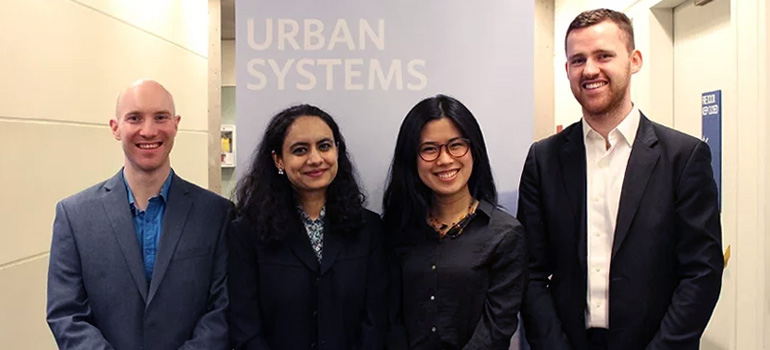
Nikita Bhalla, Colin Jeffery, Andrew McLeod and Amy Lu met with stakeholders from the City of New Westminster in early 2018 to understand the project’s overarching goals. The MEL in Urban Systems students then came up with a series of practical recommendations based on site visits, analyzing data provided by staff, and researching public Wi-Fi implementation strategies in other cities.
The team used city-supplied data from New Westminster’s existing public Wi-Fi network to identify user behaviour patterns based on location, time and purpose. This enabled the students to develop profiles of typical users and make predictions about Wi-Fi usage patterns.
They then looked at gaps in coverage between existing public Wi-Fi hubs and popular pedestrian areas such as parks and along the waterfront.
By analyzing data on current Wi-Fi usage through the lens of current infrastructure gaps, the team was able to suggest locations where the city would get the greatest return on investment in Wi-Fi technology. “This enabled us to make accurate assumptions about high-potential spots based on current use and location data,” says Amy.
They also looked at how other municipalities use public Wi-Fi to engage with their residents. “We saw that many cities in Canada use public Wi-Fi as a platform to enable greater communication between citizens and the city,” says Nikita.
This is already being done in New Westminster: the city’s SeeClickFix app, for example, is a popular tool for notifying the municipality of civic infrastructure issues that need addressing.
“Making it easier for the public to take a photo of a pothole or burned-out street light and upload that information to the city gives staff high-quality location-specific data they can use to better respond to service requests and meet residents’ needs,” says Andrew.
Public Wi-Fi hubs also improve communication between the city and its residents, making it easier for people to receive and access information about important municipal issues, changes to garbage and recycling collection days, or upcoming events.
However, the value of public Wi-Fi goes beyond easier communication between residents and the municipality, or being able to check email while enjoying New Westminster’s public spaces. “Free Wi-Fi creates equal access for everyone,” says Colin, adding that this is an important social justice and equity issue given that so many facets of modern life depend on the Internet – from searching for government assistance programs to applying for jobs online.
The students recommended a three-phase 10-year plan to roll out additional free Wi-Fi across New Westminster, starting in high-pedestrian traffic areas along the busy Fraser River waterfront. Their final report outlined the challenges and strengths of available technology options – including mesh networks, Wi-Fi 2.0 and Self-Organizing Networks – as well as barriers to implementation.
Developing recommendations for urban infrastructure projects like this requires an integrated and holistic understanding of the issues at play. With their backgrounds in architecture (Amy), urban planning (Andrew), mechanical engineering (Colin) and civil and structural engineering (Nikita), the four Urban Systems students were able to consider complex issues and make recommendations from a multidisciplinary and nuanced perspective.
“I think this project really shows the powerful partnerships that can develop between universities and cities,” says Andrew. “In this particular case, we have a municipality tapping into our shared pool of knowledge and experience. It’s also a great opportunity for us as students to gain valuable project and work experience.”
Following graduation, Nikita Bhallah now works as an Engineering and Environmental Advisor with the Municipal Natural Assets Initiative; Colin Jeffery is a Project and Utility Management Engineer with Kerr Wood Leidal Associates, Ltd.; and Andrew McLeod works at SmartCentres REIT as a Development Associate.
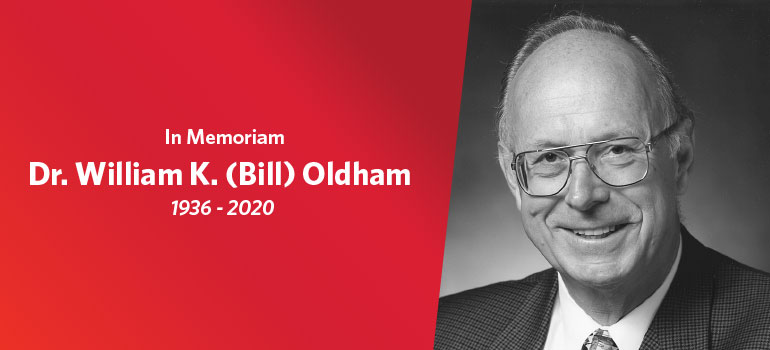
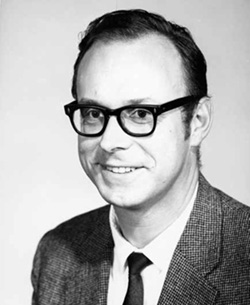
It is with great sadness that we announce the passing of Dr. William Kaye Oldham (Bill to his friends and colleagues.) Bill died peacefully on Tuesday, Oct. 6th at his home in Merville, B.C.—just a few miles from where he was born.
Born in Cumberland on Vancouver Island, BC on May 27, 1936, Bill graduated with a BASc in Civil Engineering from UBC and completed his graduate studies at the University of Texas-Austin. After spending a few years working at Stanley & Associates in Edmonton, Bill joined the UBC Department of Civil Engineering as a faculty member in 1968.
“Like several other faculty members in the Department, I was hired by Bill when he was Head of the Department. When I arrived in Vancouver from California, he did not hesitate in offering me a place to stay in his home until I could find a place for my family. That single gesture and the friendship that we developed over the years is something that I will always cherish. Bill was the epitome of what the Department of Civil Engineering is: a friendly place to work and growth.” – Dr. Carlos Estuardo Ventura, Professor & Director of the Earthquake Engineering Research Facility (EERF)
Bill made significant contributions during his time here. Shortly after joining the Department, he headed the development of a graduate program in Pollution Control and Waste Management. The program later evolved into the Environmental Engineering program and in 1985, under his direction, became the first ever interdisciplinary program of its kind in Canada.
Bill, more than anyone, was responsible for building this program into a “power house” not only in Canada, but globally as well.
Bill served as Department Head from 1984 to 1992 and was the founding member of the Environmental Research Group. In this capacity, he built up the departmental laboratory facilities and helped recruit faculty members.
“I have very special memories of Bill. He is definitely a large part of the reason that I came to UBC, and that I stayed. When I came to interview he even picked me up from the airport and hosted me overnight at his house. Always a smile on his face and a positive perspective. May he rest in peace.” – Dr. Gregory Lawrence, Professor & Tier I Canada Research Chair
Throughout his career, Dr. Oldham was driven by his passion for reducing the negative impact of human waste. Not only did he pioneer a large body of research, he was instrumental in turning this research into impact—locally and worldwide.
Bill’s research on cold temperature biological treatment process for the removal of phosphorous from sewage led to the City of Kelowna adopting this method in a sewage treatment plant.
The province of British Columbia recognized his research into the Eurasian Milfoil problem in the interior lakes of B.C.; while internationally, Bill was a specialist consultant to the World Bank and contributed to the water quality and pollution control of two major river bases in Mexico.
“I always found Bill to be the consummate professional, warm, easy to talk to and enjoyable to be around. My personal experience with Bill was that he was genuinely interested in the ‘whole person’ – no just your academic side but your personal side as well.” – Dr. Alan Russell, Professor Emeritus
Bill is predeceased by his beloved soulmate Jacqueline Claire, his parents and his sister. He leaves behind a brother, two adult children, two adult grandchildren, and three great grandchildren. His family are forever grateful for his love and support over his long life, and are appreciative and proud of the important contributions he made in his career.
Most importantly, his family honour, remember, and hope to emulate his personal qualities—he was always fair, honest and kind, with a ready and witty sense of humor.
“When Bill hired me back in 1989, he talked to me about everything else except technical things during the interview. At the end of the interview he said “You are in, welcome to the family”. He was such a nice and kind gentleman.” – John Wong, Engineering Technician
We are excited to announce that two faculty members in our Department received the 2020 President’s Awards from Engineers and Geoscientists BC. The awards are the province’s top awards for professional engineers and geoscientists and recognize those with outstanding achievement in professional, technical, and community contributions.
Professor Loretta Li received the R.A. McLachlan Memorial Award, while Professor Tony Yang earned the Meritorious Achievement Award.
“These awards demonstrate how UBC Civil Engineering faculty members continue to make exceptional contributions through their groundbreaking research and their dedication to excellence in teaching and innovation,” said Department Head Bernard Laval. “On behalf of our Department, my warmest congratulations to Dr. Li and Dr. Yang on their well-deserved honours.”
Over the past 25 years, Dr. Loretta Li’s contributions to environmental quality and sustainable remediation have significantly enhanced public safety and impacted policy decisions in Canada and around the world. Of particular note is her work on sites contaminated by per- and poly-fluorinated alkyl substances and polybrominated diphenyl ethers. In addition to 12 refereed publications—three within the United Nations Industrial Developmental Organization—this research generated new knowledge on how brominated flame retardants are entering the environment and their impact as by-products in surface and surface soils.
Dr. Li is passionate about bridging the gender gap in engineering. In addition to her teaching duties at UBC, which includes courses in Environmental Impact Studies, Geo-Environmental Engineering, and Investigation Risk Assessment, Dr. Li has been involved in many women-in-engineering initiatives aimed at cultivating the next generation of female engineer. She also regularly served as a speaker in Battered Women’s Support Group to provide guidance to domestic abuse victims who wished to return to the workforce.
“It is a great honour to receive this award, and I am humbled to join an inspiring group of first-rate engineers and geoscientists,” said Dr. Li. “Throughout my career, I have been fortunate to have had several admirable mentors, and to have worked closely alongside leading researchers and aspiring graduate students and post-doctoral fellows.”
Dr. Tony Yang has made remarkable contributions to the fields of structural and earthquake engineering. Among his most significant contributions is the development of the fundamental underpinnings for performance-based earthquake engineering (PBEE), which resulted in its implementation in design codes worldwide. Regarded as one of the leading earthquake engineering experts in the world, Dr. Yang has led the development of multiple innovative structural components and systems that have significantly improved the safety and economy of infrastructures in Canada and worldwide.
Here at the UBC Department of Civil Engineering, Dr. Yang’s teaching and research are focused on the advanced simulation and experimental testing of complex structural systems under dynamic loads. His course offering includes Advanced Topics in Steel Structures, and Innovative Structural Systems. A major community advocate, Dr. Yang has volunteered to give over 100 national and international seminars on earthquake and disaster mitigation. Each year, he leads the development of public education initiatives for City of Vancouver’s annual “Earthquake Day.”
“I feel deep gratitude for receiving the Meritorious Achievement Award,” said Dr. Yang. “It’s a tremendous honour to represent UBC Civil Engineering and be recognized alongside this group of dedicated and talented engineers and geoscientists.”
Six years ago – on August 4, 2014 – the Mount Polley mine spill released 24 million cubic metres of waste. The spill flowed into Hazeltine Creek, Quesnel Lake, and other waterways in the Likely, B.C. area and is by far the largest mine waste spill in Canadian history.
In the years that followed, tests by B.C. officials have revealed that the water quality met provincial guidelines, while geochemical studies of mine tailings at the bottom of Quesnel Lake have demonstrated it is not releasing metals into the water.
However, a new study suggests that the problem isn’t over yet.
Thenew paper, authored by a group of scientists who have been studying the lake since the spill in 2014 and published recently in Water Resources Research, found that turbidity (or cloudiness) in portions of Quesnel Lake increases each spring and fall, when the lake mixes from top to bottom in a natural process called turnover.
The source of the turbidity appears to be the resuspension of spill-related material from the bottom of the lake, raising concerns about contaminants being reintroduced to a body of water wherein people continue to swim and fish.
The tailings contain elevated concentrations of some metals, such as copper, and while the lake waters appeared to return to their pre-spill state one year after the spill, it turns out this was only temporary.
“Over the next three years, we saw an increase in turbidity every spring and fall when winds drove large wave motions—like the sloshing of water in your bathtub. As turnover occurred, this sediment was then mixed over the whole water column,” said Andrew Hamilton, a postdoctoral fellow at the University of Alberta who worked on the research while with the Environmental Fluid Mechanics research group at the UBC Department of Civil Engineering.
In fact, that the sediment is being seasonably resuspended from the lake is at the heart of the problem. And it’s what prompted the team of researchers from UNBC, UBC, the University of Lethbridge, and Fishers and Oceans Canada to come together for this multiyear research to study the longer-term impacts of the spill.
“The lake plays significant economic, environmental and recreational roles for the local community and understanding the impact of the seasonal increase in turbidity is important,” said Bernard Laval, professor and head of the UBC Department of Civil Engineering.
“While the immediate environmental devastation of other catastrophic mine waste spills around the world may have been more apparent, investigating these subtle impacts over time will help inform if and how Quesnel Lake recovers, and the potential for lasting impacts of other tailings spills which are increasingly frequent globally,” added Laval.
There’s a reason we are consistently ranked at #1 in Canada and among the top 30 civil engineering schools worldwide by the QS World University Rankings.
Over the past decade, our renowned faculty have provided tremendous leadership in educational and research activities, and fostered close relationships with industry and government. Our alumni are also leaders in their fields who continue to contribute to the enhancement of our society.
The report presents a historical analysis of research areas, publications, and industry partnerships, as well as funding success. It also outlines the success of our undergraduate and graduate programs using metrics on diversity, enrolment, and career outcomes.
The report is available for download in PDF format to all who are interested in learning more about what UBC Civil Engineering has been up to over the past decade.
We are pleased to announce that Pamela Wolf (previously Rogalski) has been hired as Assistant Professor of Teaching with the UBC Department of Civil Engineering.
Pamela joined UBC School of Applied Science as a Faculty Lecturer in 2013 and has developed and delivered numerous technical communication courses to students in Civil Engineering, Material Engineering, and Engineering Physics.
Among Pamela’s most significant contributions at UBC Civil is her steadfast dedication to cultivating communication, leadership and other soft skills in engineering students—a direct response to what she sees as a real cultural shift in the engineering industry.
“There is now an expectation of high transparency, teamwork, and leadership tributes on engineering graduates,” said Pamela, citing the rise of face-to-face meetings and an industry-wide shortage of engineering leaders as evidence of an increasing need for engineers who are more than just technically skilled.
Through her work, Pamela advocates for a shift in engineering education curriculum towards one that is better suited for collaboration, co-design, and stakeholder engagement. She emphasizes that due to automation, the work of an engineer today focuses more on the social and environmental implications of projects—rather than simply the technical.
“We’ve moved from certainty to the ambiguity of human conversation,” she said, “engineers today need to communicate and collaboration with a wide array of partners and stakeholders to find solutions.”
A leader in innovation, Pamela was instrumental in leading the development of the Audience + Purpose Organization, a first-of-its-kind student leadership group that aimed to bridge the gap between the technical and the social aspects of engineering projects.
“It is an honour to be hired as Assistant Professor of Teaching by the department,” Pamela said, “I am excited to continue to extend the excellence of the department with educational initiatives aimed at cultivating the next generation of leaders in engineering.”
Pamela graduated from the University of British Columbia with a Bachelor of Arts in English and a Bachelor of Applied Science in Geophysics. She then earned her Master’s degree in Post-Secondary Education and Cultures of Curriculum from Simon Fraser University. Pamela currently teaches graduate and undergraduate courses in technical communication, consulting, and critical thinking and design. Learn more about Pamela’s work in her Faculty Profile.
Update:July 9, 2020, The team’s research, titled “ Expanding the wastewater-based epidemiology toolkit for monitoring COVID-19 community transmission in Canada,” has received the NSERC Alliance COVID-19 grant for one year. NSERC is providing up to $15 million in total support to stimulate collaborations between university academic researchers and the public and not-for-profit sectors, and industry to address pandemic-related research and technical challenges.
Ryan Ziels, an Assistant Professor of environmental engineering in the UBC Department of Civil Engineering, and Natalie Prystajecky at the BC Center for Disease and Control (BCCDC) and UBC Faculty of Medicine, are developing a method for detecting and “counting” the novel coronavirus in wastewater that they hope will lead to better prevention and management of any second waves of COVID-19.
“Wastewater has the potential to serve as an early warning indicator of a resurgence of COVID-19 in a population. This can provide cities and governments with an earlier opportunity to act and implement mitigation strategies,” said Ziels.
Testing wastewater may be particularly useful in detecting asymptomatic spread, or demonstrating when testing isn’t able to reach certain groups. Similar to nasal swab testing on a technical level—both methods look for genetic material from the virus in the sample.
Wastewater testing may provide earlier warning about the disease’s spread in a community than clinical tests or hospitalizations. It may also provide a way to detect outbreaks at institutions such as correctional facilities or meat processing facilities, without the need to test everyone there.
A recent study published in the journal Gastroentereology examined 73 COVID-19 patients and found that 17 of them continued to test positive in their stools even after negative results from nose or throat swab tests.
Dr. Ziels and Dr. Prystajecky are currently developing methods to better track the viral signal in wastewater. The goal is to make major headway in research and development now, before any second waves hit, so that the new method can be a resource to public health officials and help with their decision-making.
“While methods are already in-place to count how much virus is in a given sample, there are many unknowns when applying such an approach to wastewater,” said Dr. Ziels, “for instance, how good is our recovery of the viral material in wastewater, and how does that vary between, and within, cities? Moreover, how degraded is the viral material in wastewater? These are some key questions that will drive appropriate method development and utilization.”
If all goes well, Prystajecky estimates that a “good valid test” can be developed in a couple of months.
The team is currently in the process of securing funding to support the research.
“We are fortunate to have support from Metro Vancouver as a partner on this project. We are also cooperating with the Canadian Water Network to establish a national working group that is sharing knowledge and data on wastewater monitoring. Such a national network could help to standardize methods across labs, and lead to reliable data as we head into gradual re-opening of the economy,” Ziels said.
The Department of Civil Engineering stands in solidarity with the global Black community and supports the calls for justice for George Floyd, Ahmaud Arbery, Breonna Taylor, Regis Korchinski-Paquet, Tony McDade, Trayvon Martin and other Black individuals who have experienced historic, systemic, and ongoing violence and brutality at the hands of police and others.
These recent events in the United States and Canada remind us that we haven’t done enough to address the historic, systemic and ongoing racism faced by racialized groups. In saying this, the Department of Civil Engineering joins UBC President Santa Ono and the Faculty of Applied Science in developing meaningful ways to address entrenched and institutionalized racism with the hope of creating positive change. The Department further supports the Applied Science community and our colleagues around the world participating in #Strike4BlackLives, #ShutDownSTEM, and #ShutDownAcademia on June 10, 2020.
Civil Engineering is a profession dedicated to ensuring the safety of communities. Sadly, the voices and experiences of Black, Indigenous and other racialized scholars, students and citizens have historically been marginalized within these very communities on account of our design practices and technology development, and in many other ways.
As part of our commitment to addressing systemic racism in our curriculum, teaching, research, and operations, the Department of Civil Engineering pledges to do the following:
Form an Equity, Diversity and Inclusion Committee within the Department of Civil Engineering to review and amend racial biases in curriculum, teaching, mentoring, and research;
Hold space to actively listen to and understand the experiences of racialized students, staff and faculty in addition to providing funding to develop initiatives that facilitate dialogue concerning racialized issues;
Along with the Faculty of Applied Science’s EDI efforts, continue to provide workshops, learning opportunities, and resources on anti-racism and the marginalization of Indigenous peoples; and
Submit and publish a Report on the above and other commitments to the Dean of Applied Science in December 2020, and annually thereafter.
As a Department dedicated to instilling ethics into everything we do, we recognize Civil Engineering still has a long way to go in terms of being truly inclusive and equitable. We recognize that this is just the beginning and we welcome your feedback to help guide our efforts.
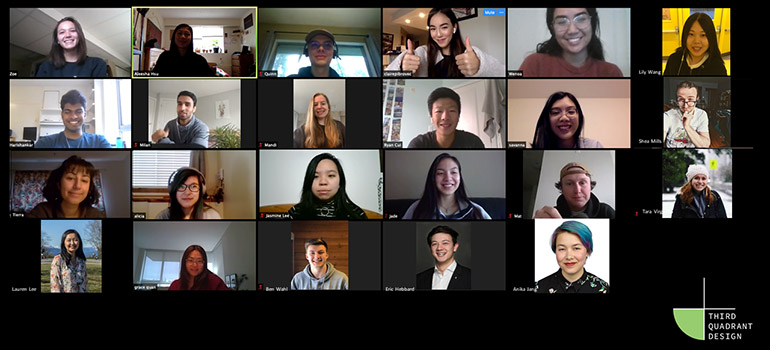
UBC Engineering student design team, Third Quadrant Design, won first place in the Urban Single-Family Division at the U.S. Department of Energy Solar Decathlon, held April 17-19, 2020.
Supervised by UBC Engineering faculty members Dr. Adam Rysanek, Dr. Sheryl Staub-French, and Dr. Susan Nesbit, Third Quadrant Design comprises of 25 UBC students across multiple engineering disciplines. It is led by three female students, Zoë Le Hong (Integrated, ’20), Aleesha Hsu (Civil, ’21), and Claire Pibrovec (Integrated, ’20), and is majority femme-identifying. The group is also supported by Engineers and Geoscientists BC, Integral Group, RJC, RDH Building Science, and Francl Architecture.
Solar Decathlon is an international collegiate competition that challenges teams to design and build efficient and innovative buildings powered by renewable energy. Due to social distancing restrictions this year, the Solar Decathlon was held virtually for the first time in its 18-year history.
Despite the logistical challenge, 45 teams representing 31 higher education institutions competed, including a team from UBC. This was the first year that UBC participated in the competition.
Third Quadrant Design co-founder, Aleesha Hsu, highlights her team’s passion to integrate green and sustainable engineering practices and saw the opportunity for innovation in the net-zero and passive building construction spac
“Among UBC Engineering’s design teams there was no group dealing with real life building design and construction. Given BC’s clear move towards more sustainable building practices, we felt that someone had to fill this niche,” said Hsu.
Third Quadrant Design’s winning transdisciplinary design, “Solis House,” is a prefabricated CLT structure enveloped in a building envelope that is designed for Vancouver’s climate and made of 97% renewable wood. It features solar panels and geothermal exchange that allow it to achieve net-zero status (HERS score: -11) and a rainwater harvesting system that provides enough water for over five occupants and a large vertical garden.
“Even though Vancouver is not widely accepted as a place where solar panels can work, we want to demonstrate that by making intentional choices in your building envelope, water systems, and mechanical systems that favour passive methods, a roof mounted PV array and geothermal can take care of the energy needs of two households,” said Hsu.
Despite missing out on the social and competitive energy of in-person design competitions, the team made use of virtual alternatives that Solar Decathlon created. In planning the competition, the organizers created an “app for the competition where you could see the event schedule (and the associated Zoom links), team details, and message other competition participants,”
In the future, the group hopes to apply their learnings—which include researching established terminology, new green building sector technologies, and software such as Revit, OneClick, AutoCAD, Therm, and more—to partner with a local community group.
“We want to continue to push the boundaries of transdisciplinary design and innovative low-carbon project delivery through an exploratory style of consulting on real-life builds—right here in the Lower Mainland,” said Hsu.
Have questions for the program directors? We’re hosting a Virtual Information Session this Thursday, April 30th from 11AM to noon PST. Join us on Zoom at https://ubc.zoom.us/j/94665090991!
To meet the rising demand for environmental engineers by government agencies and the manufacturing, agricultural, and resource sectors, as well as consulting firms, the University of British Columbia is proud to announce a new four-year undergraduate environmental engineering degree to begin in fall 2020.
The result of an innovative partnership between UBC’s Departments of Civil Engineering and Chemical & Biological Engineering, the four-year program will adopt a collaborative, team-based approach to prepare students with the tools and knowledge necessary for a future in environmental engineering.
Environmental engineering is a broad field that applies engineering principles to support the health of natural systems and provide healthy land, water, and air for habitation. Graduates will go on to design and manage processes and products that minimize pollution, protect human health, and promote sustainability—all without sacrificing economic viability and efficiency.
Students in the UBC environmental engineering program will learn from a team of respected and esteemed professors whose research and applied work have made significant impact to the field of environmental engineering.
To complement their studies, students may participate in UBC Engineering Co-op, currently the biggest co-op program in Western Canada.
“We are excited at the prospect of helping young and enthusiastic individuals prepare for a career in environmental engineering and to face and help solve many of the most pressing issues facing humankind in the 21st century,” said Dr. Madjid Mohseni and Dr. Greg Lawrence, co-directors of the new program.
The inaugural class will begin the program in fall 2020 and devote four years to coursework, fieldwork and individual capstone research projects.
Application is now open to all first-year UBC engineering students.
Kelsie Priest, a UBC Civil Engineering Alumna and a Structural Engineer with Glotman Simpson, is actively working to decrease gender imbalance in the engineering community.
Priest currently serves as the co-chair of Women in Consulting Engineering (WCE), which is focused on “supporting and empowering women in engineering and increasing gender diversity and inclusion in [the] industry.”
Priest believes with the support of groups like WCE, she has gained the tools and confidence to aspire to leadership roles in engineering despite gender biases. She encourages parents with daughters interested in engineering to talk to a professional in the industry.
There are an abundance of opportunities for women in engineering, and thankfully individuals, like Priest, are striving to make a difference when it comes to diversity and inclusion.
Dr. Alex Bigazzi, a faculty member in the UBC Department of Civil Engineering and the School of Community and Regional Planning, has received tenure and been promoted to Associate Professor.
Tenureship recognizes exceptional faculty members for their distinguished scholarship, dedication to teaching and mentorship, and exemplary service to the University in helping achieve its vision as a globally influential institution.
In so doing, Dr. Bigazzi is “helping create an exceptional learning environment that fosters global citizenship, promotes the values of a civil and sustainable society, and supports outstanding research,” said UBC President and Vice-Chancellor Santa J. Ono in a statement.
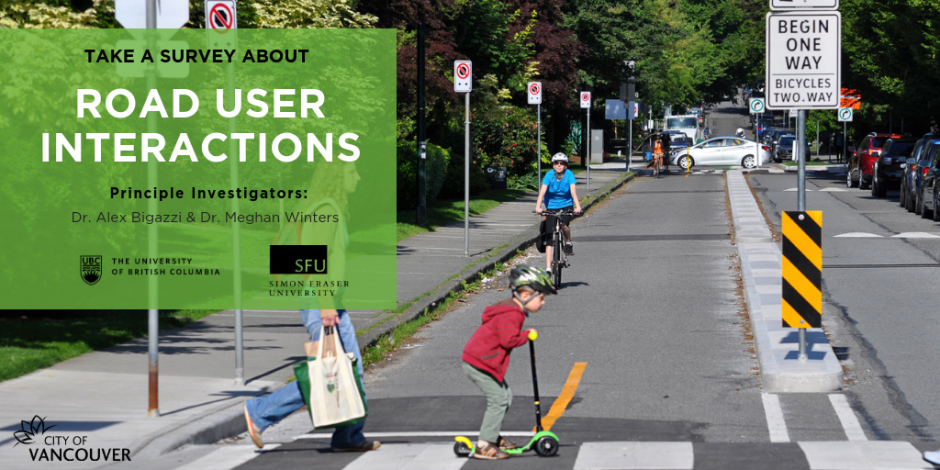
Dr. Bigazzi’s research on transportation engineering and planning have made significant contributions to his field. He has persuasively challenged long-standing conventional beliefs on the impact of traffic congestion on the environment—showing that reducing congestion by raising vehicle speeds tends to increase total emissions.
Dr. Bigazzi’s current research focuses on advancing our understanding of how human energy expenditure influences urban travel behaviour. Through his research, he explores the integration of e-bikes into the urban transport system and challenges stereotypes of urban cyclists as roadies on racing bicycles. He is also interested in designing cycling facilities for users with varying physical capabilities.
Inspired by the idea that truly sustainable transportation engineering and planning are possible, Dr. Bigazzi founded the UBC Research on Active Transportation (REACT) Lab, through which he leads a group of students on research on utilitarian bicycle and pedestrian travel analysis and modeling.
“Dr. Bigazzi has demonstrated exceptional dedication, generosity and innovation in his service to UBC and the broader civil engineering community, as well as for teaching, mentoring, and nurturing our students. I am absolutely delighted by this announcement,” said UBC Civil Engineering Department Head Bernard Laval.
Dr. Bigazzi received his PhD in Civil Engineering in 2014 from Portland State University. He currently teaches graduate and undergraduate course in transportation engineering, urban engineering, pedestrian and bicycle facility design, and more. He mentors masters, PhD, and undergraduate students through his research group. Learn more about his research on his Faculty Profile.
A Canadian-engineered pavement technology that has withstood five South Asian monsoon seasons with flying colours holds significant promises for revolutionizing road and building infrastructure in Canada and all over the world.
Pioneered by the Canada-India Research Centre of Excellence IC-IMPACTS , which is headed by UBC Department of Civil Engineering professor Dr. Nemy Banthia, this pavement material’s financial, functional, and sustainable advantages have begun to help modernize India’s infrastructure.
Compared with traditional concrete, this material’s unique inclusion of fibres that allow for the pavement to be very thin makes it cheaper to produce. It is also more durable, and with 60% of the cement replaced by fly-ash that is a byproduct of local thermal power plants, it contributes to local sustainability efforts. Reduction in cement consumption is an urgent global need as cement production is responsible for over 5% of global green-house gas emissions.
Even so, it took a while for India to fully embrace the new technology.
“This is not like IT, which changes very rapidly,” Banthia said, “safety is of paramount importance, and these [infrastructure] industries don’t change as rapidly, and we always struggle with being ahead and trying to convince industry to trust us with these new materials. Industry tends to be conservative.”
First used in the rural Indian village of Thondebhavi five years ago, the product is now available for use in India and a large consortium in India is planning two major 10-km road projects slated for completion after the pandemic.
Given the material is fibre-enforced concrete, it holds limitless potential for application in everything, from dams and bridges to buildings and public facilities.
Despite being Canadian-engineered, the material was only introduced to the Canadian market last year—and with numerous adjustments. Dr. Banthia and his team modified the properties to handle the colder climate, added cellulose fibres with advanced self-repairing capability and included scraps of tire fibres to further improve sustainability.
The new version of the material is currently being tested in a parking lot in Chawathil First Nation near Hope, BC.
Dr. Banthia is particularly excited about the global implications of the new material. If it gains traction, it would help Canada broaden its global influence as an engineering powerhouse.
“Civil infrastructure plays a critical role in making communities healthy, livable, and prosperous. UBC and IC-IMPACTS are committed to bringing advanced technologies to First Nations, rural and other communities through respectful partnerships,” said Dr. Banthia.
To read the full Business in Vancouver article, click here.
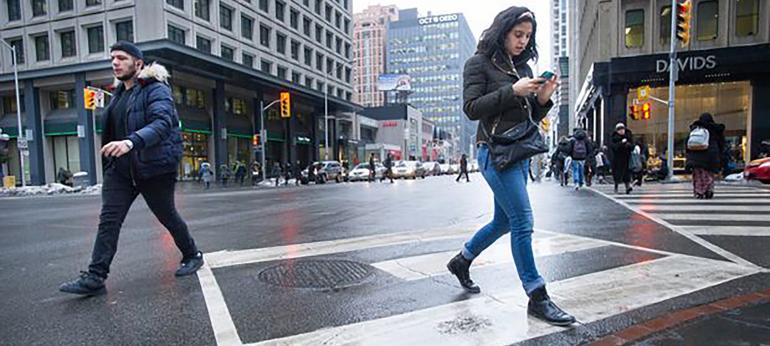
Back in 2016, the city conducted a pilot project at two crosswalks, which added side-mounted lights to existing overhead flashing lights. At the end of this study it was “found that driver compliance rates increased 100 percent when [vehicles were] sixty metres away from the crosswalk when the lower level lights were used with the overhead lights.” However, instead of presenting this report to upgrade the additional 170 pedestrian crosswalks with no side lights, it was never made public.
In 2018, two separate incidents of young children killed while using crosswalks with only overhead lights occurred. In repose to these tragedies, Winnipeg’s city council fought to increase safety measures at all pedestrian crosswalks. What the council was unaware of was an existing study that instructed how to increase safety measures with the addition of side lights at crosswalks that was conducted two years prior to these incidents.
According to Dr. Tarek Sayed, who heads the transportation research group in the Department of Civil Engineering at UBC, “each pedestrian corridor has unique needs. Ultimately, viability is one of the key components and lights play an important role.” Dr. Sayed made it clear to CBC that vehicles need to be aware of a pedestrian crossing and using more lights at a crosswalk helps drivers stop in time.
The city of Winnipeg plans to conduct an additional study into pedestrian safety at crosswalks as well as install side lights to crosswalks with existing overhead light.
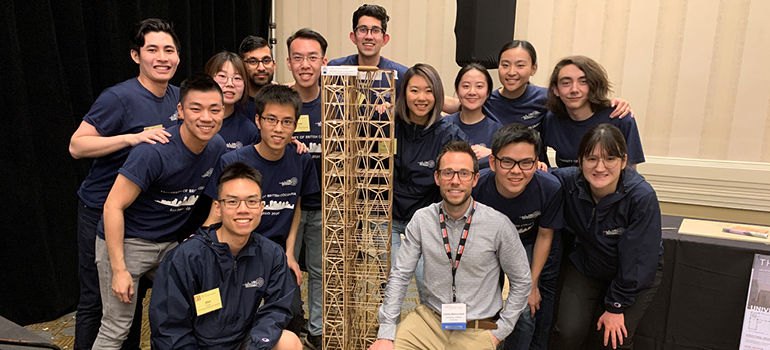
Congratulations to the UBC students who won third place in the 2020 Undergraduate Seismic Design Competition at the National Earthquake Conference.
Over 51 teams from universities across the United States and around the world participated in this competition. Each team designed a complex tall building model made from balsa wood that was tested on a shaking table. The teams were judged on their oral design presentation, their summary poster, the model’s architectural design, their ability to fit within the design criteria and constraints, their analytical prediction of their model performance, and the response of their model during shaking table testing. Along with their third-place win, the UBC students received the special Structural Innovation award for their design.
For more information about the Seismic Design Competition, visit their website.
Dr. Alex Bigazzi, an assistant professor in UBC’s Department of Civil Engineering, was recently interviewed by the Vancouver Sun on changes to Vancouver’s car-sharing services. Vancouver had four popular services: Evo, car2go, Modo and ZipCar. However, as of February 29th, car2go was pulled out of Vancouver and all of North America citing the “volatile state of the global mobility landscape.” This car-sharing service was incredibly popular in Vancouver with 1,200 cars and 20,000 members.
Although it would seem that car2go’s departure would create a huge hole in the market, Dr. Bigazzi states that “Vancouver’s car-sharing landscape, which [now] includes Evo, Modo, and Zipcar, is safe and healthy.” One of the main reasons that Vancouver’s car-sharing services won’t be impacted is due to the city’s multimodal transportation system that includes “really good transit, and lots of opportunities for walking and cycling and high-density neighbourhoods that dissuade driving and encourage non-car travel.” Due to the demand, Dr. Bigazzi says that the current car-sharing companies in Vancouver “won’t be leaving here anytime soon.”
To read the full Vancouver Sun article, click here.
Dr. Jongho Lee, an assistant professor in UBC’s Department of Civil Engineering, recently published his new study on a clean alternative to clearing up flood water in Science Advances Magazine. The researcher was inspired by how mangrove trees, which like other trees, employ a water transport system that can evaporate moisture from their leaves. This process further produces tension in their water-conducting tissues that helps to draw water into their roots. In developing a synthetic system using a polymer membrane, the researchers demonstrated through evaporation “a huge negative pressure was generated to drive water flow through a semi-permeable, reverse-osmosis membrane, thereby desalinating the water.”
The study, co-authored by Dr. Lee, Dr. Jay Werber and others, recognizes that desalination is energy intensive whereas replicating this natural process to desalinate water offsets the large amount of heat required. Werber notes that “[t]he energy that drives desalination in our device is absorbed from the environment: basically heat is absorbed to drive evaporation.”
The researchers suggest that incorporating this technology can transform buildings into giant sponges and can develop a novel way to handle storm water and flood damage. More so, “the buildings themselves would soak up excess groundwater and evaporate the water from their walls and roofs.”
Donald Mavinic, a professor emeritus in UBC’s Department of Civil Engineering and an internationally recognized expert in water treatment, has been appointed to the Order of Canada “[f]or his contributions to environmental engineering science and technology in Canada.”
One of the country’s highest honours, the Order aims to recognize people “whose service shapes our society, whose innovations ignite our imaginations, and whose compassion unites our communities.”
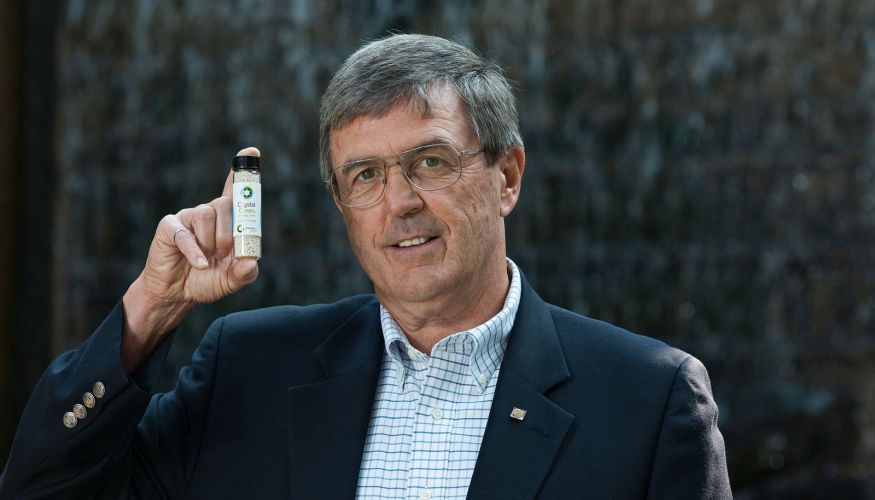
Mavinic joined the UBC Applied Science faculty in 1973 and has led numerous advances in the field of wastewater management over the course of his career. These include the development of a system that transforms harmful phosphates from municipal wastewater systems into a clean, continuous-release fertilizer known as Crystal Green®, which increases crop yields and minimizes nutrient leaching and runoff.
In addition to helping wastewater treatment facilities keep their pipes and equipment free of costly mineral build-up, the technology may prevent toxic algae blooms in natural waterways and reduce the need for carbon-intensive phosphate mining. The reactor system, which is commercialized by Vancouver-based company Ostara, is currently in use at 22 sites across North America and Europe.
The Governor General of Canada announced 120 new appointments to the Order of Canada on December 28, 2019. For the full list, please see the official news release.
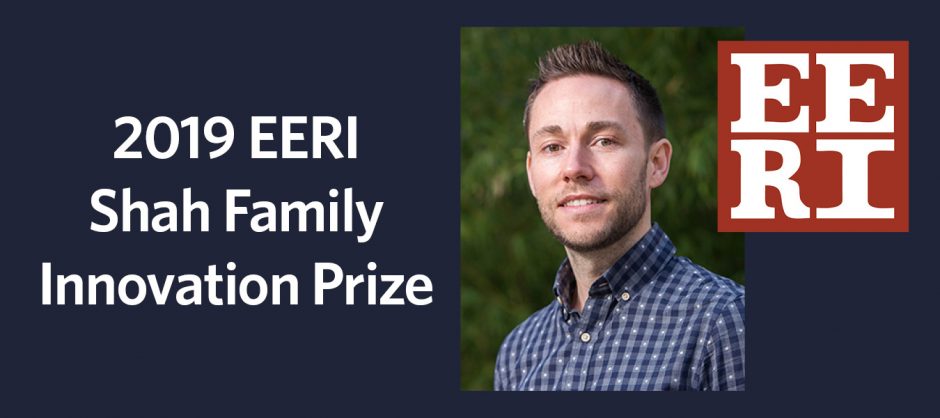
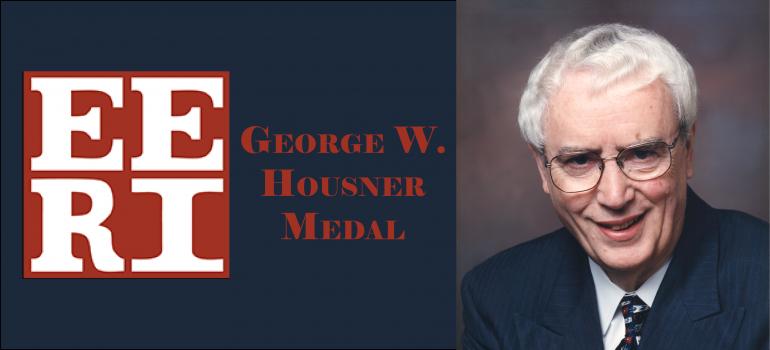
Congratulations to Dr. Carlos Molina Hutt, who has been awared the 2019 EERI Shah Family Innovation Prize by the Earthquake Engineering Research Insititute!
The Shah Prize is awarded annually to young professionals and academics for creativity, innovation, and entrepreneurial spirit in the field of earthquake risk mitigation and management.
In the press release by the EERI, they stated “(c)onsidering the breadth and excellence of Carlos’s leadership, research and engineering practice, it was clear to the prize committee that he is on a trajectory to be an outstanding leader in the field of earthquake risk mitigation in the coming decades.” Carlos will receive the award at the 2020 EERI Annual Meeting Awards Ceremony on Thursday, March 5 during the National Earthquake Conference in San Diego.
For more details on Dr. Molina Hutt’s research please visit is Faculty Profile. A full press release by the Earthquake Engineering Research Insititute is available at the link here.
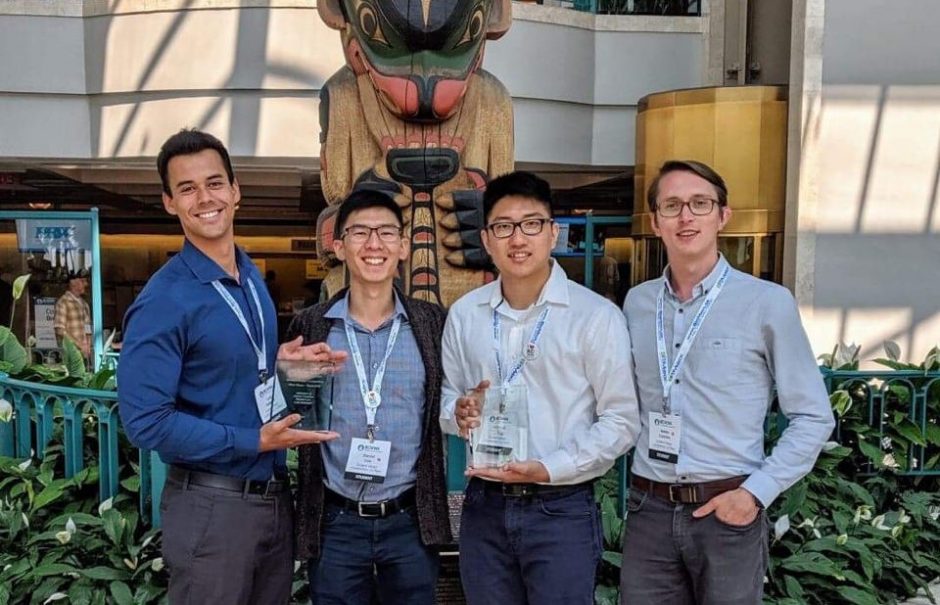
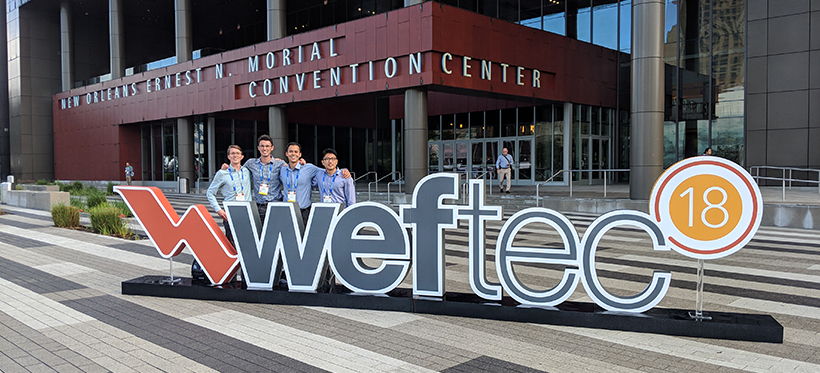
Congratulations to the UBC Civil Design Team members who took home first place 2019 WEFTEC Student Design Competition!
The 18th annual competition showcased innovative ideas from 30 teams from 26 WEF Member Associations and three countries during WEFTEC 2019, WEF’s 92nd annual technical exhibition and conference.
UBC team members Luthfi Subagio, James Craxton, Daniel Luo, and Johnson Li were led by faculty advisor Noboru Yonemitsu on behalf of the British Columbia Water and Waste Association. Their task was to complete a comparative analysis and design of two treatment, conveyance, and disposal solutions for aircraft de-icing fluid runoff and stormwater runoff at the Vancouver International Airport (YVR).\
For more information on the design project, please read the ES&E Magazine article here.
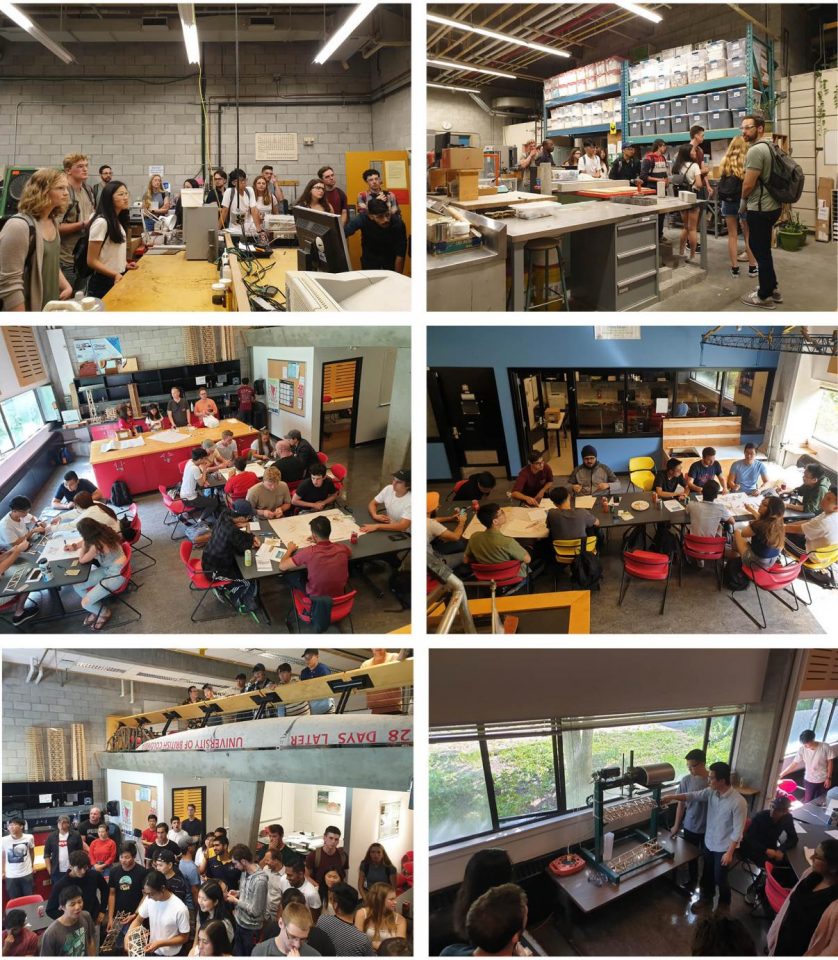
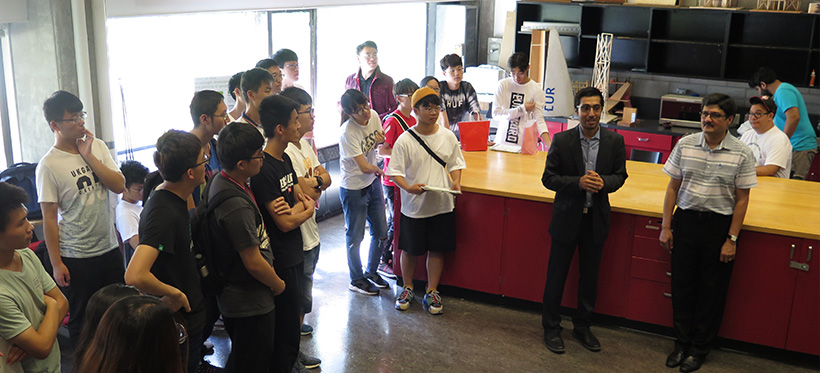
On September 3rd, 2019, the Department welcomed new Civil Engineering majors with its annual undergraduate student orientation. The orientation consisted of a scavenger hunt and popsicle stick model bridge-building competition.
This Fall, we welcome over 120 new majors into the Bachelors in Civil Engineering program. The new students started off their first day with an introduction and welcome by the Department Head, Dr. Bernard Laval. The introduction was followed by details of the academic program, services for students, and clubs and community involvement.
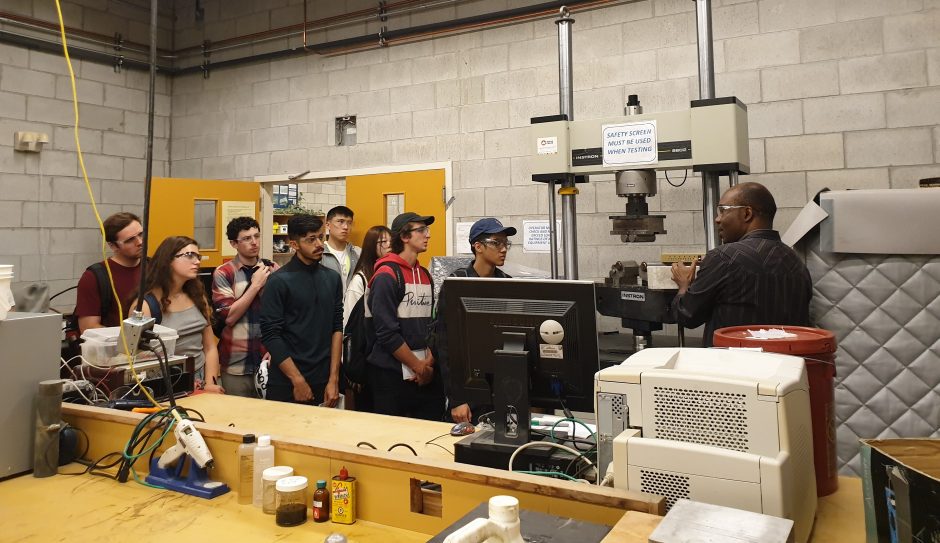
Following the orientation, the students participated in a scavenger hunt, which is designed to familiarize the students with the location of classrooms, offices, and labs, while providing an opportunity to practice effective teamwork skills. In addition to locating the civil labs, the students took part in various demonstrations led by civil faculty, technicians and graduate students. Some of the demonstrations included:
The Hydraulics Lab: demonstrating “standing waves” in one of the wave flumes with an adjustable wave generator.
The Materials Laboratory: providing information on the different types of tests done in this concrete laboratory.
The Earthquake Laboratory: presenting details on some of the testing done by the earthquake research group. The students received a demonstration of the 1999 Taiwan “Chi-Chi” earthquake (7.3 ML) on the multi-axis shake table.
After the lab demonstrations, the students applied their knowledge in the Civil Design Lab by building a bridge model with only popsicle sticks and hot glue. Once the two hour building phase was complete, each team’s bridge was tested by a weight-bearing machine to see which bridge could hold up the most weight. Tests such as these examine one of the many factors necessary for the structural integrity of infrastructure.
For more information on our programs, including all fields within the Department of Civil Engineering, please visit the Academic Programs page of our website.
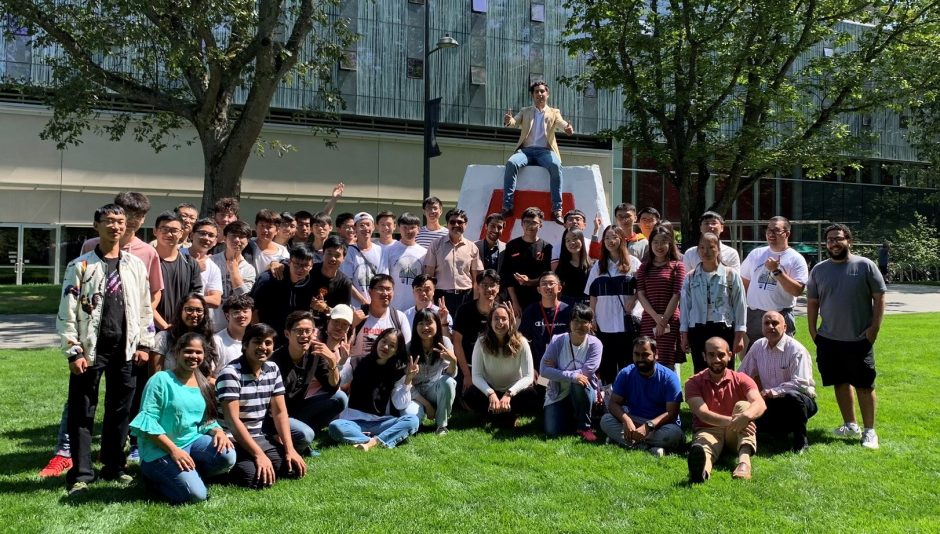
During July 13- August 13, 2019, the Department of Civil Engineering hosted dozens of international undergraduate students for the annual Vancouver Summer Program.
The Vancouver Summer Program (VSP) is a four-week academic program offered by various Faculties at the University of British Columbia, Canada for students from cooperating universities. The program provides the opportunity to take two academic courses while learning about Canadian practices and culture.
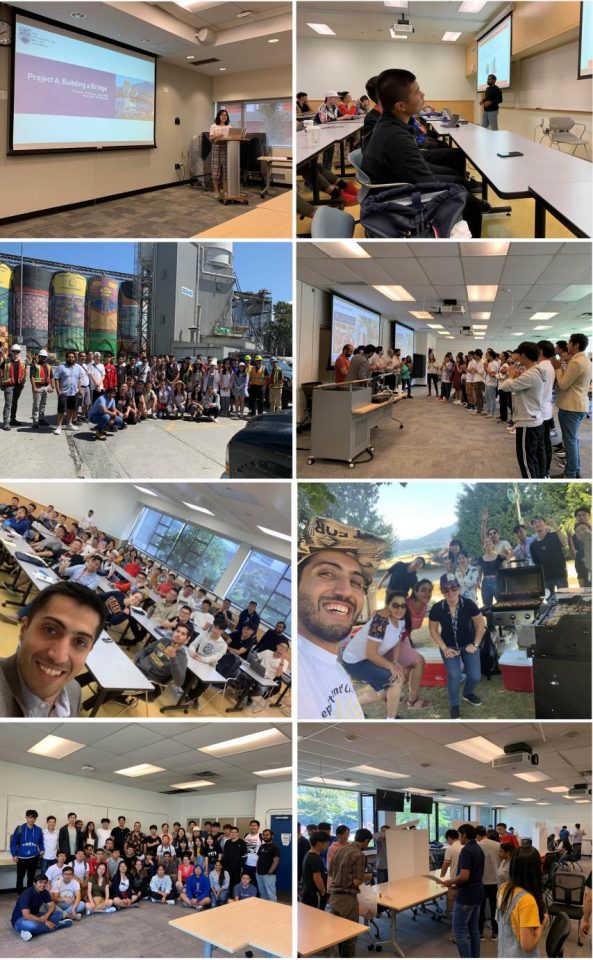
This year, the Department of Civil Engineering offered courses in two concentrations: Structural Materials and Advanced Concrete Structures. The courses included field visits, laboratory experiments, as well as, computer modeling.
The program this year hosted 41 undergraduate students, between the ages of 18-21, from China, Taiwan, and Mexico.
Other Faculties who participated in hosting courses for the Vancouver Summer Program 2019 were the Faculty of Arts, Business, Education, among others. For more details on the program, including featured courses, visit the Vancouver Summer Program website.
Below please see some photos from the field trips, presentations, courses, and social outtings from this year’s program.
In May 2019, the UBC Steel Bridge Design Team competed at the 2019 Canadian National Steel Bridge Competition at l’Université de Montréal. UBC Engineering Student Design Team, composed of 14 undergraduate engineering students, competed against 18 teams from Canada, USA, Mexico, and China. Out of the teams that competed, UBC Steel Bridge ranked 1st in lightness, 3rd in oral presentation, and 3rd overall, making this year’s result the best one they’ve ever achieved in this competition.
On July 1st, 2019, the Department of Civil Engineering welcomed Dr. Bernard Laval as the new Department Head. Laval has demonstrated outstanding leadership and administrative skills since joining Department of Civil Engineering in 2002, serving as the Co-director of the UNBC/UBC Environmental Engineering Program and Associate Head of Undergraduate Students. He has also shown a strong commitment to supporting student clubs, promoting and recognizing student achievements, enhancing the quality and diversity of the department’s student body and otherwise ensuring that students have a positive experience at the Faculty.
In addition to his service to the Department and Faculty, Dr. Laval has received a Killam Teaching Prize in 2018, numerous appreciation awards from the Civil Engineering Undergraduate Club and the Applied Science Excellence in Service Award. He has over 25 years of research experience in applied fluid mechanics of inland and coastal waters, including three years developing autonomous underwater vehicles for use as instrument platforms for the study of lakes and coastal waters.
Dr. Laval succeeds Dr. Perry Adebar, who served as Department Head from 2014-2019 and fellow of the Canadian Academy of Engineering. Dr. Adebar’s contributions to the Department of Civil Engineering over the past several years have been highly impactful and are deeply appreciated.
Additionally in July, Civil Engineering welcomed new Associate Head’s for both Undergraduate and Graduate Programs:
On June 14, 2019, UBC Civil Engineering Professor Tarek Sayed, was announced as a new Tier 1 Canada Research Chair in Transportation Safety and Advanced Mobility. Honourable Kirsty Duncan, Minister of Science and Sport, announced an investment of over $275 million for 346 new and renewed Canada Research Chairs at 52 institutions across Canada for research excellence. The Canada Research Chair’s program is part of a national strategy to make Canada one of the world’s top five countries in research and development by attracting and retaining some of the world’s most accomplished and promising researchers.
Professor Sayed’s research applies a wide spectrum of transportation applications with a focus on safety and operation. His research is influenced by the remarkable decrease in road traffic fatalities and injuries over the last decade, especially in developed countries. Despite the considerable progress achieved, there are still serious concerns regarding road safety, where each year more than 1.25 million people die worldwide in road crashes and a further 50 million people suffer from injury. In Canada, traffic crashes result in approximately 1,900 fatalities and 165,000 injuries each year, where the annual cost of road crashes to the Canadian economy is estimated at $62.7 billion CDN. In many jurisdictions in British Columbia, insurance premiums are spiraling higher as auto insurance companies face considerable losses. Therefore, the importance of research into reducing the social and economic costs of crashes cannot be overstated.
Most current research on road safety focuses on statistical techniques to model crashes and evaluate safety countermeasures. Less attention has been devoted to improving our understanding of crash causes and road user behaviour. This is unfortunate, given the lack of understanding of the complex interaction of crash factors, how safety measures work, and how they affect road user behaviour. Statistical analysis is an integral and important part of safety research; however, a better understanding of the problem is required before attempting to apply statistics.
With the introduction of new modes of mobility and the complex interactions created by these different technologies, governments will rely on advanced research and analysis techniques to support policies towards the transition to these new forms of mobility. While these technologies are intended to increase safety, the period of transition may result in more conflicts and collisions. Therefore, the incorporation of technologies such as artificial intelligence, and connected and autonomous vehicles, will require strategic insight through a collective and collaborative approach to appropriately advise decision makers and limit the potential for unintended consequences.
Dr. Tarek Sayed is a Professor and Distinguished Scholar at the Department of Civil Engineering at UBC. He is a Fellow of the Engineering Institute of Canada, the Canadian Academy of Engineering, and the Canadian Society for Civil Engineering. His research has addressed a wide spectrum of transportation system applications with a focus on traffic operation and safety, and Intelligent Transportation Systems. He is the author of more than 350 journal and conference papers. As well, he has completed numerous consulting projects in North America and internationally.
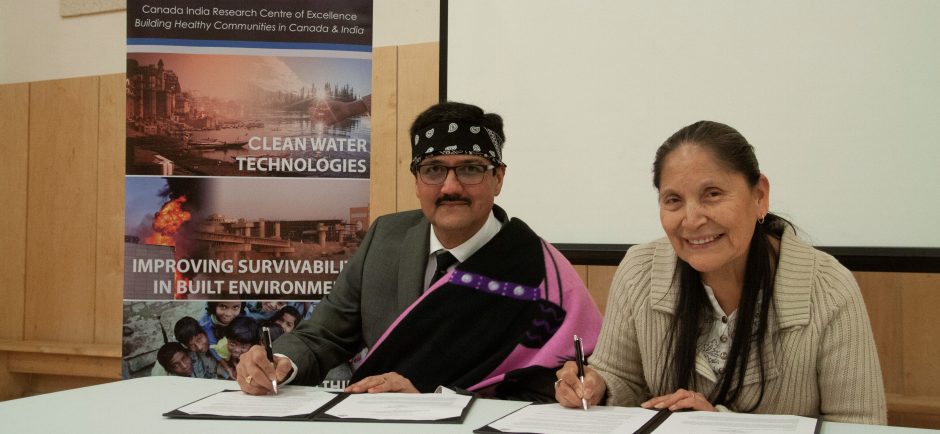
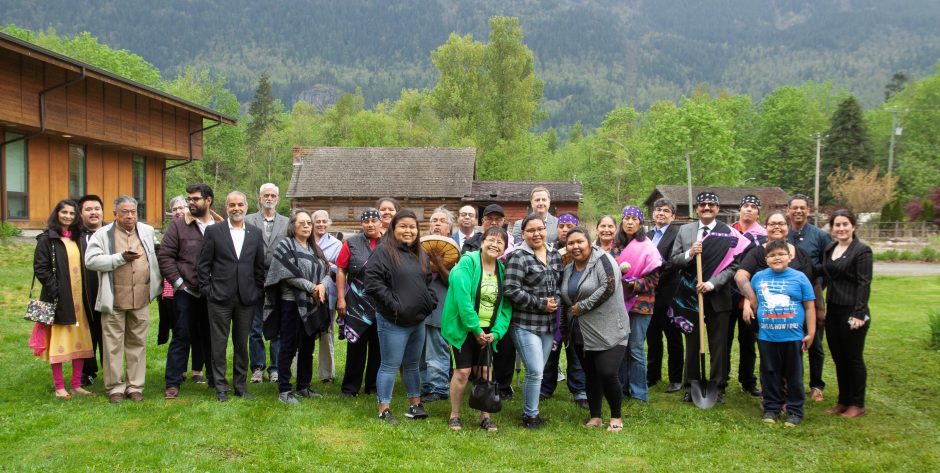
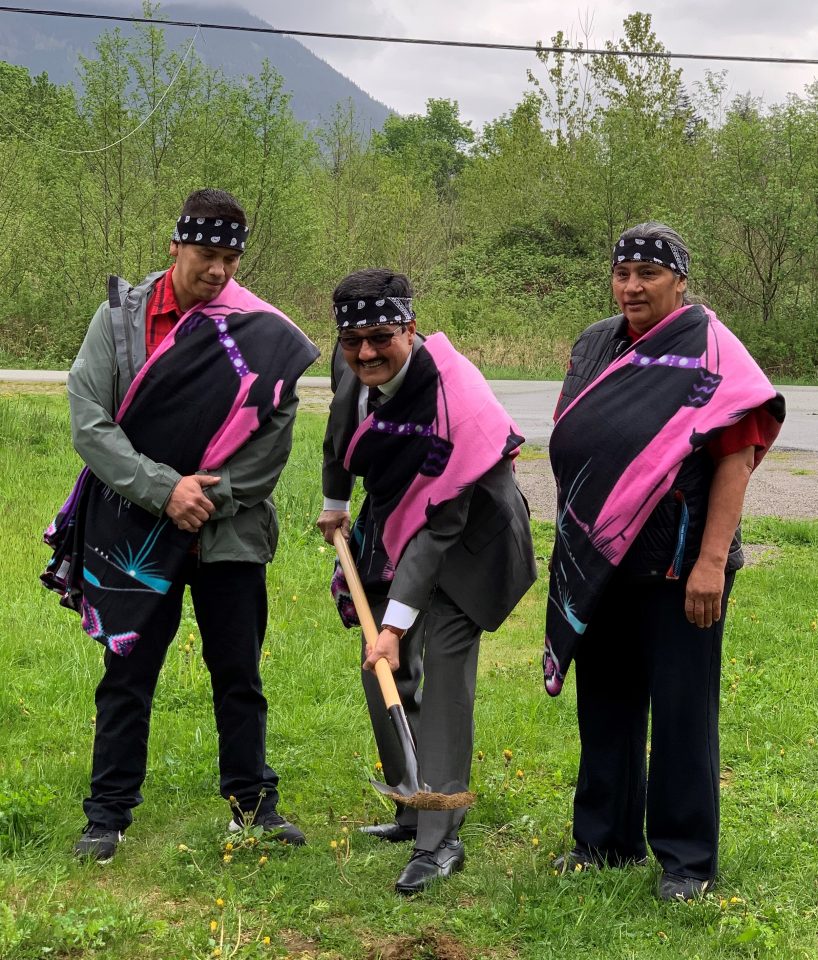
On Thursday, May 1, 2019 IC-IMPACTS was invited to the Chawathil First Nations community in Hope, B.C. on Thursday, May 2, 2019 for a groundbreaking ceremony to set up an infrastructure technology demonstration project.
IC-IMPACTS advanced self-repairing pavement technology will soon be deployed and the community will see the installation of new pavements using fiber reinforced concrete. The pavement will be composed of concrete incorporating scrap tire fibers, cellulose fibres, and other recycled material. The deployment is part of an ongoing research project spearheaded by UBC Civil Professor, Dr. Nemy Banthia, who is the IC-IMPACTS CEO and Scientific Director and theme lead for Safe and Sustainable Infrastructure.
The groundbreaking took place at the Chawathil First Nation community with the presence of the community elders, local secondary school students, and a number of other community members.
For more information about the project and the groundbreaking ceremony, please visit the IC-IMPACTS website.
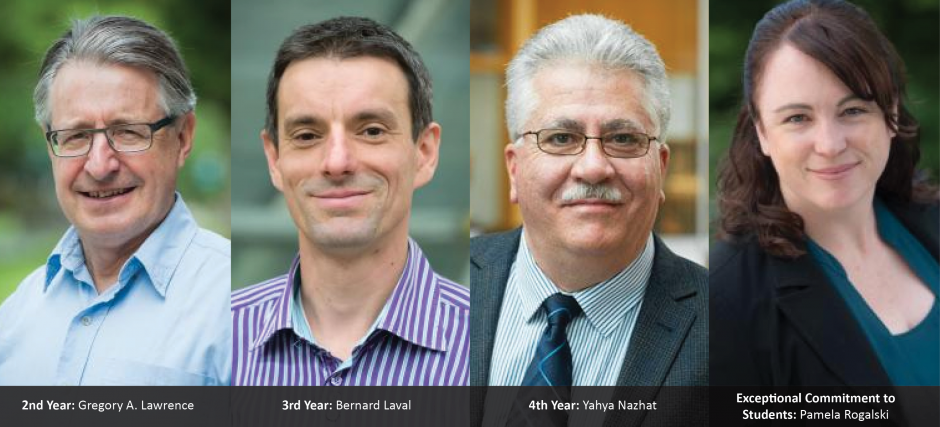
Each award recognizes a professor who has demonstrated a commitment to fairness, communication, and quality teaching to students in his or her courses this past academic year. Furthermore, the Exceptional Commitment to Students Award was voted for by students across all years and it focussed on the professor’s attitude towards student development. Congratulations to all the winners and thank you for your outstanding contributions to undergraduate learning!
Professor Alex Bigazzi spoke with CBC on the $9.4B 4-track rapid transit line in Metro Vancouver, proposed by former B.C. premier Mike Harcourt.
Recently, both Vancouver city council and the Metro Vancouver Mayors’ Council have voted to endorse a rapid transit extension to the University of British Columbia. The project would bring rapid transit from the VCC-Clark station to Arbutus Street, with thecost is expected to run roughly $7 billion. However, former B.C. Premier Mike Harcourt thinks this plan is not enough of a push for long-term plans, and the city needs to think bigger.
His pitch is to build a rapid transit line all the way from Lougheed Mall in Burnaby to the University of British Columbia. The entire plan would include 2 express tracks, 2 local tracks, with the majority of the quadruple track line would be tunnelled.
When reacting to the 4-track proposal, Dr. Bigazzi says, “I mean it’s an ambitious proposal, but it’s also kind of exciting. When you add those other parts of the system that also makes the already planned piece out to UBC that much more valuable.” He believes the better connected different parts of a transit system are, the more effective each piece becomes, making trips easier and quicker.
Although there is some optimism for this larger proposal, Claire Trevena, B.C.’s minister of transportation isn’t going for the idea. To read more about how the mayor’s current plan stacks up to of the proposed 4-track rapid transit line from Harcourt, please read the article here.
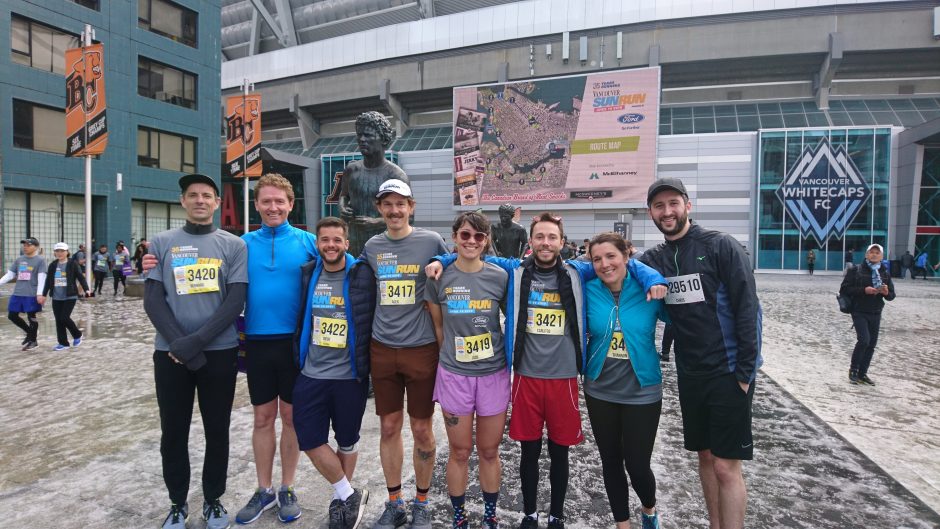
Congrats to the Department of Civil Engineering Sun Run Team for completing the 2019 Vancouver Sun Run! This years CIVIL Sun Run Team included (left to right): Professor Bernard Laval, Professor Terje Haukaas, Diego Pastor Bartoli, Professor Alex Bigazzi, Jade Koide, Professor Carlos Molina Hutt, Shannon Remillong, Chris Gorczynski, and Daniela Hajdukovic (not pictured)
Despite some team members having to run through an unprecedented hail storm, the CIVIL Team, which included both staff and faculty, all completed the run within 1 hour 17 minutes.
The Vancouver Sun Run is Canada’s largest 10K road race. Run through a beautiful scenic course that highlights Vancouver’s downtown core at Burrard Street and Georgia Street, the world famous Stanley Park, and Cambie Street Bridge for the final stretch across the bridge to the finish line. This year the run brought out over 40,000 runners!
The Nepal Safer Schools Project (NSSP) is a Department for International Development (DFID) funded project seeking to increase the safety of approximately 250 vulnerable schools in Nepal and build the resilience of pupils, staff and the wider community to disasters. It is a consortium of Crown Agents, Save the Children and Arup international and NSET is implementing the one of the programme. The project is one part of DFID’s wider ‘Strengthening Disaster Resilience in Nepal” programme seeking to build the resilience of vulnerable people and reduce the impact of natural hazards in Nepal.
For more details on Wesley’s journey to Nepal, as well as a way to contribute to his trip and efforts, please check out his YouTube video above, or visit the link here.
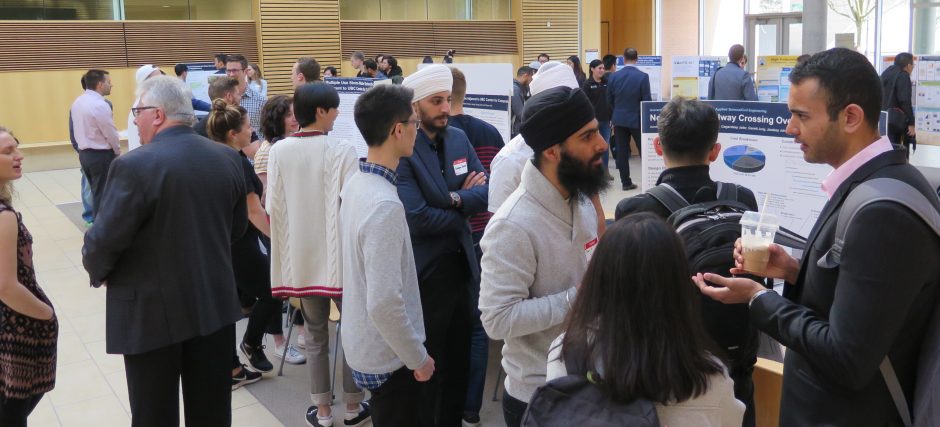
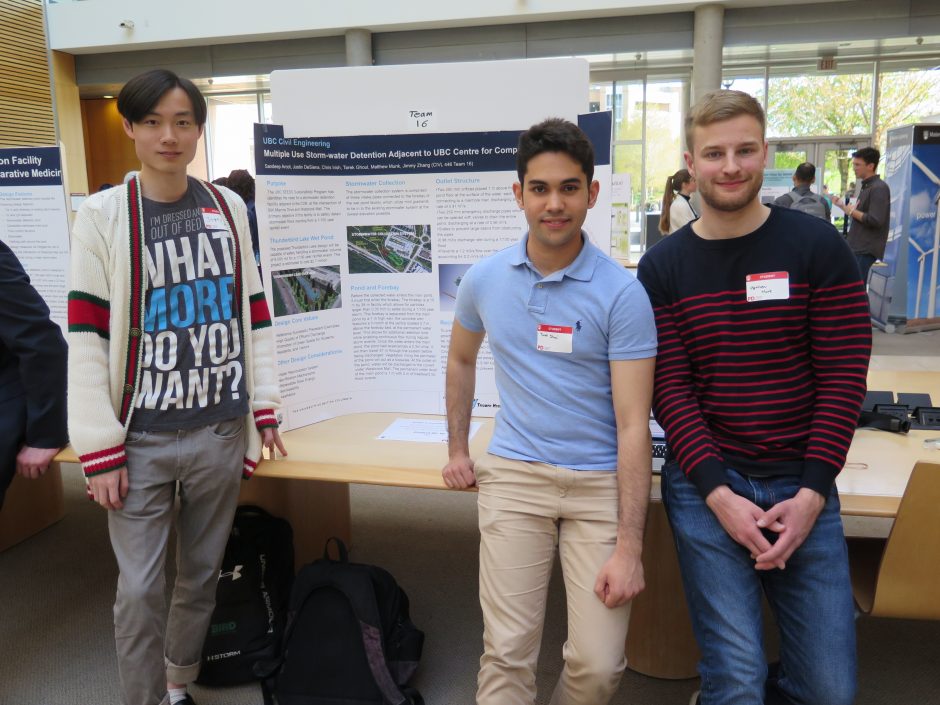
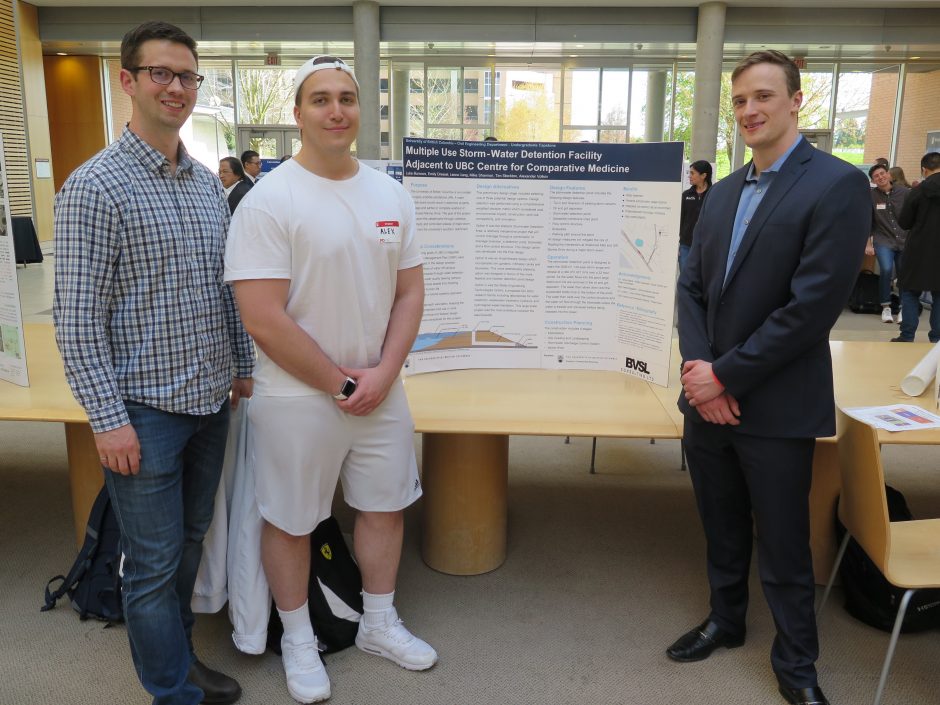
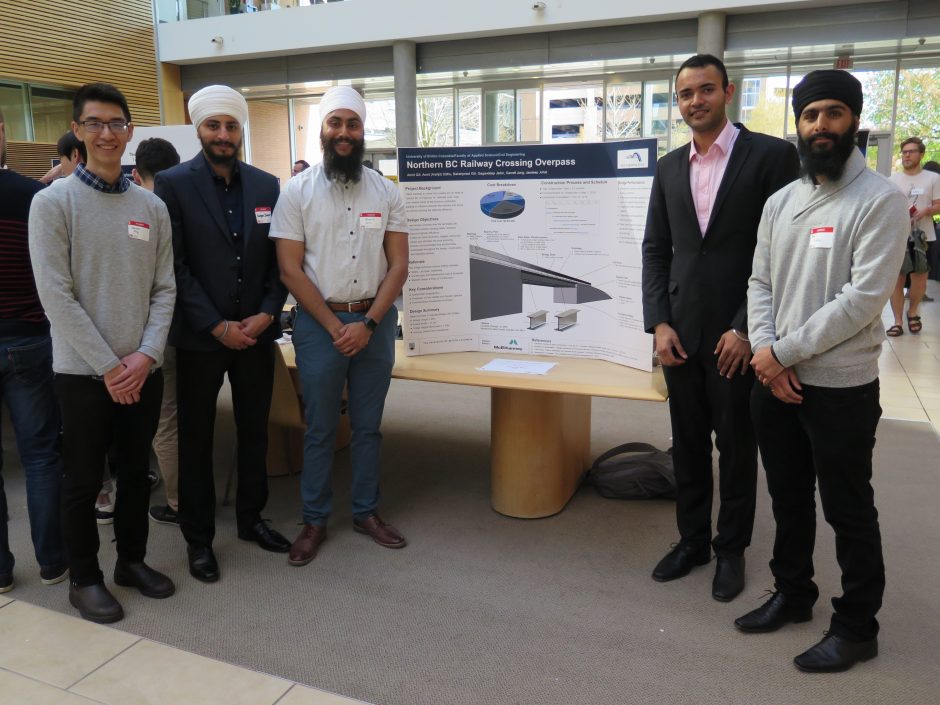
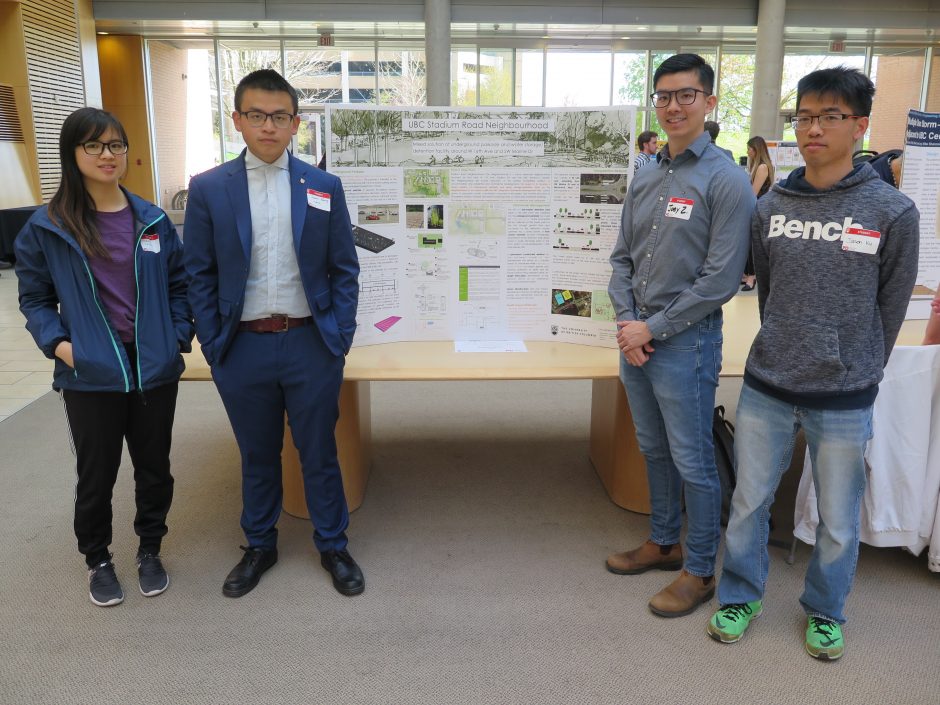
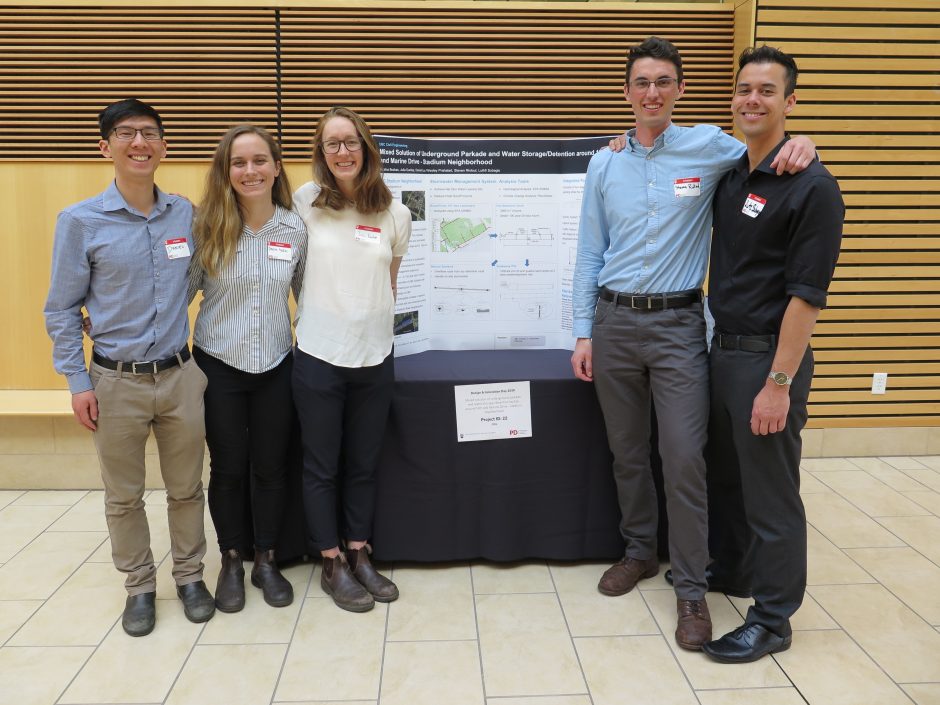
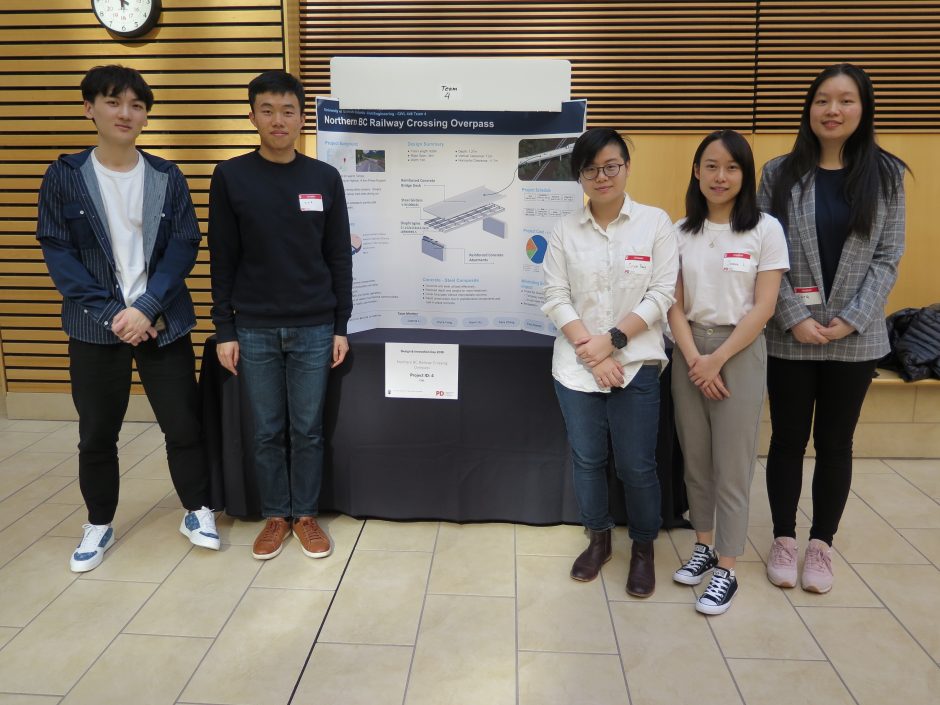
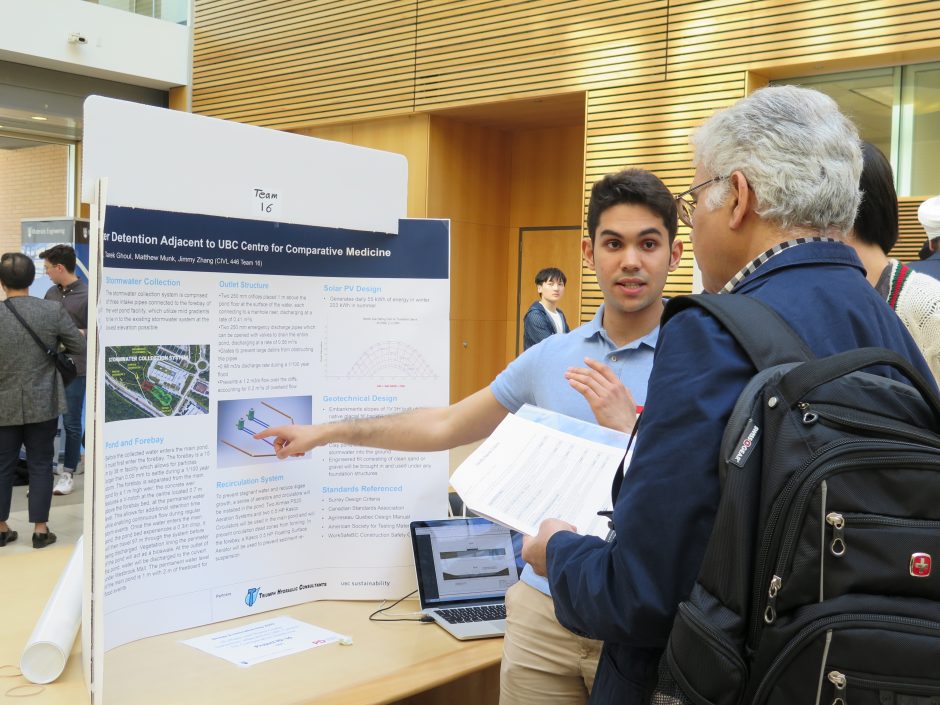
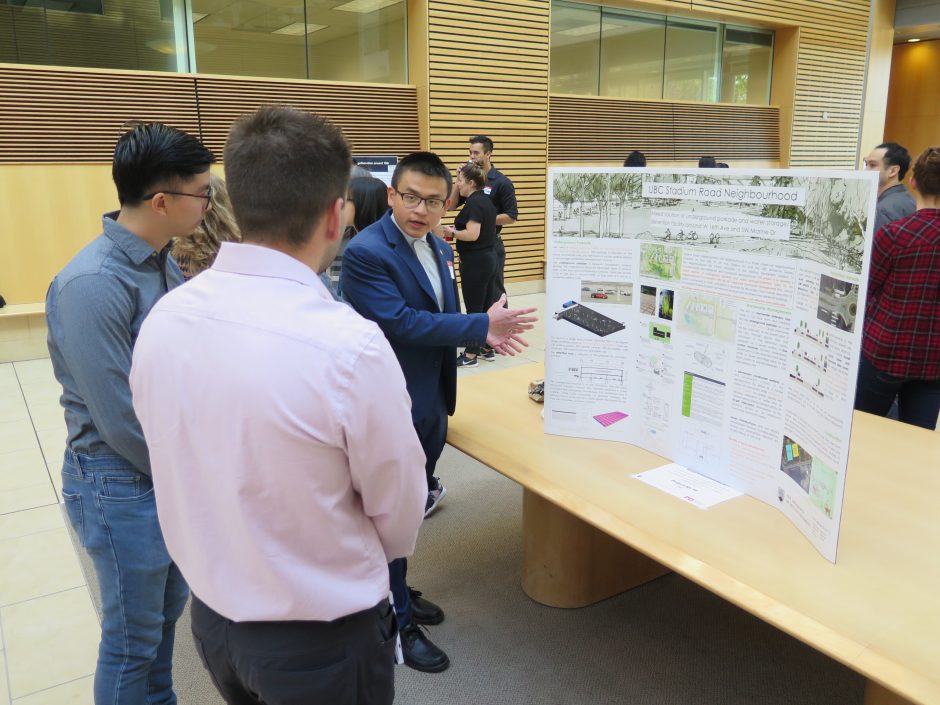
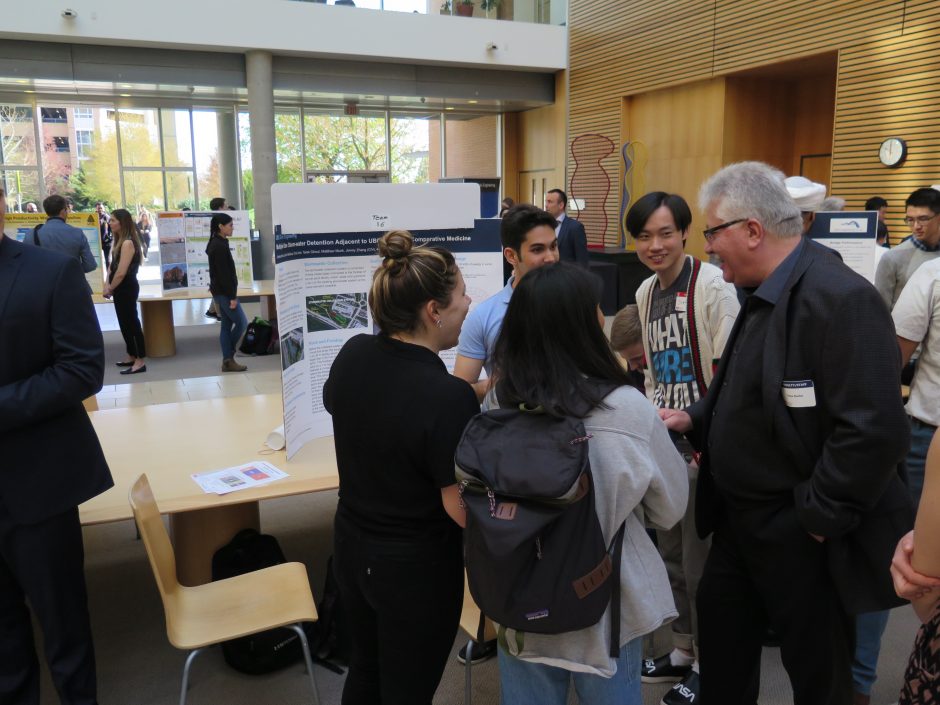
Celebrating its 3rd consecutive year, the UBC Design & Innovation Day on April 4th showcased UBC Engineering students’ capstone projects, design initiatives, and research activities throughout the academic term. Capstone design projects are a major component of the UBC Engineering curriculum where undergraduate students have the opportunity to design a product or service, and solve an open-ended problem within their chosen discipline. Forming groups of four to six team members, students were responsible for overseeing everything from idea generation to product deployment to prototype building and finally, to presenting their overarching findings and key solutions.
The Design & Innovation Day began with outstanding hands-on demonstrations and interactive presentations from undergraduate students during the showcase portion of the event. This was followed by an awards reception at UBC’s Life Sciences Centre where prize winners for the year’s top projects were announced. This exciting interdisciplinary event featured students from nine of UBC Engineering’s distinct prestigious programs including Chemical and Biological Engineering, Mechanical Engineering, Integrated Engineering, and our very own Civil Engineering department.
Civil & Geotechnical Engineer, Dr. Yahya Nazhat, was this year’s Department of Civil Engineering’s faculty representative. Ranging from topics on a “Railway Crossing Overpass” to a “Multiple Use Storm-Water Facility”, six groups of civil engineering students showcased their outstanding research projects and their impacts and contributions to society.
We were excited to celebrate with the students, professors, industry representatives, and community members that all make up the Faculty of Applied Science’s vast network of innovators, collaborators, and key players. Congratulations to all the students that participated in UBC Engineering’s most monumental event!
Recent data from Statistics Canada indicates that despite the shortage in skilled engineers in British Columbia, the percentage of female students enrolled in post-secondary engineering programs (55.7%) continues to lag behind other programs such as health (72.7%) and law/social sciences (66.4%). In industry, women make up 12% of engineering jobs in BC and 20% of engineers-in-training (recently graduated category).
UBC Civil Engineering Professor and Dean’s adviser on Equity, Diversity, and Inclusion, Dr. Sheryl Staub-French, along with Dr. Kathy Tarnai-Lokhorst, President of Engineers and Geoscientists BC (EGBC), were recently featured in an article published in Business Vancouver. Both Dr. Staub-French and Dr. Tarnai-Lokhorst note that engineering faces two major gendered challenges dissuading women from studying and working in the field: 1) stereotypes of engineering as a career designed for men, and 2) general misconceptions about the engineering industry.
This lack of women in engineering is related to a number of factors including the presence of positive role models such as family members, curriculum for K-12 and high school students, and dispelling the ‘myth’ that engineering is a male field. Dr. Tarnai-Lokhorst notes that despite the growing number of girls studying science (e.g. Physics 11) in high school (50%), there is a small, but growing, percentage of female students enrolled in post-secondary engineering programs. At the University of British Columbia, women represent 32% of the engineering student body, which is 18% higher than a decade prior. Dr. Staub-French emphasizes that attracting female students goes beyond gender stereotypes. She recalls her own career decision was influenced by her family: “my brother happened to be in mechanical engineering, and my dad said, ‘Why don’t you be an engineer? And I was good at math and said, ‘OK, why not?’” Dr. Staub-French highlights that a further challenge rests in the misconceptions surrounding ‘what engineering actually is’ in K-12 curriculum: “So the challenge is, unlike science, where you hear about it all the time in K-12, you don’t hear about engineering at that level, and I think that’s a huge problem.”
Dr. Staub-French believes that even though the number of women enrolling in post-secondary engineering programs is higher, BC fails to maximize this talent to meet local demand as the province suffers from one of the lowest per capita rates of engineering training in Canada. EGBC further notes that 30% of engineers in BC are 55 and older, demonstrating a future skills shortage as engineers head into retirement.
For more details on addressing the gender disparity in engineering, visit the article published in Business in Vancouver featuring Dr. Sheryl Staub-French and Dr. Kathy Tarnai-Lokhorst.
We are looking for participants who travel in Vancouver to take our survey. Participation requires about 15 minutes and involves viewing and rating a series of video clips of real-world interactions.
All participants will be entered into a draw for one of four gift cards of $25 each.
We are pleased to announce Dr. Nemkumar (Nemy) Banthia’s recent achievement in being honored with a Distinguished Alumnus Award 2018-19 for Technology Innovation Excellence (“TIE”). The award, presented by the Visvesvaraya National Institute of Technology (“VNIT”) and NVIT Nagpur Alumni Association, recognizes leaders contributing a minimum of 25 years of service in their designated professional field, change-makers who have introduced ground-breaking technologies and innovations, and alumnus who have made social impacts on local, regional, national, and international levels.
Dr. Banthia is a cherished alma mater of the Visvesvaraya National Institute of Technology and praised Faculty Professor of the Department of Civil Engineering at the University of British Columbia. Earlier this year, Dr. Banthia also reached a career milestone citation index of 10,000 on Google Scholar. With publications spanning from 1985 to the present, he is one of the most cited in the field of concrete materials and structures. Some of his articles include “Influence of polypropylene fiber geometry on plastic shrinkage cracking in concrete”, “Crack growth resistance of hybrid fiber reinforced cement composites”, and “Toughness enhancement in steel fiber reinforced concrete through fiber hybridization”. He continues to strive for excellence in his personal and professional endeavours and strongly believes that the most effective way to improve lives of the global community is to partake in collaborations that focus on transforming the way we perceive the advanced technologies around us. Click here for a complete list of his publications and noted citations.
Congratulations to Dr. Banthia and all the VNIT Nagpur Distinguished Alumni Winners! We can’t wait to witness the many more contributions, achievements, and research projects that you will partake and accomplish in the near future!
UBC takes great pride to ensure that all students, staff and faculty are safe and well-prepared in the event of an earthquake in British Columbia. One of the largest earthquakes to strike the coast of BC was on June 23, 1946 with a magnitude estimated at 7.3. More recently on October 27, 2012, a 7.7 magnitude earthquake struck the Haida Gwaii region resulting in trigger warnings across north-central BC. The Earthquake Engineering Research Facility (EERF) of UBC, a premier seismic testing laboratory, has been the forefront in conducting research, developing innovative teaching methods, and developing community outreach initiatives that actively reduce or mitigate the risk of injury as a result of a seismic event.
The recent report presented to the UBC Board of Governors on February 12th 2019 analyzes how UBC’s Vancouver campus is equipped in the event of a catastrophic earthquake. Dr. Carlos Ventura, the Director of the Earthquake Engineering Research Facility (EERF), discusses how he and leading earthquake faculty experts and engineering consultants have identified an action plan in all three areas of focus – buildings, utilities and operations. The team of UBC staff developed this 20-year plan by assessing the material properties of 18 buildings classified as high-risk on the Vancouver campus and by creating multiple three-dimensional structural models.
In regards to UBC’s attention towards seismic preparation, Ventura outlines that “this is a professional way to not only understand risk, but look at how to manage it.” He continues to state that “research of this kind is both an art and a science” since a multitude of important key factors and players must always be considered when assessing risk and reduction techniques.
The Seismic Resilience Plan goes beyond just merely outlining the steps to consider when an earthquake occurs. Instead, it breaks down an approach to seismic risk reduction that takes into account the usage of leading international practices in planning and design while also keeping in mind UBC’s existing capital planning process.
For more information on the way to disaster resilience on UBC’s Vancouver campus, check out the original article on UBC News.
(Photo Credit: KEVIN VAN PAASSEN/THE GLOBE AND MAIL)
On Tuesday, February 12, 2019, The Globe and Mail hosted their second annual Globe Drive Mobility Summit, a half-day conference focused on the technology, innovations and societal shifts giving rise to the transformation of urban transportation.
One of the major topics for this year’s summit is how the growing trend of pedestrians being distracted by using their cellphones when walking in crosswalks, poses a danger for both pedestrians and vehicle road users. For urban planners the focus now is on how to measure and analyze these sidewalk dangers better and even prevent them.
In an article on February, 9, 2019, The Globe and Mail featured the research of UBC Civil Engineering Professor Tarek Sayed on pedestrian cellphone use.
In the UBC study, led by engineers, two cameras were mounted at pedestrian crossing intersections monitoring the movement of over 350 pedestrians over a two-day period. Observations from the study found that over a third of those who crossed the intersection were distracted by their phones while texting, reading, and talking. In turn, this distraction led to pedestrians crossing slower and moving unsteadily to the other side of the street.
In regards to how the data was collected, Professor Sayed wrote, “If we look at the distance walked and analyze their gait parameters, we can with about 80-per-cent accuracy determine who’s distracted and who’s not, which means that their walking behaviour is quite different.” And added, “we can quickly identify safety issues and come up with countermeasures much faster, in a matter of hours, than waiting three, four or five years to collect collision data.”
The ultimate goal in the current and research, and its subsequent implementation, is to look at safety measures that can be put in place, instead of faulting pedestrians versus drivers.
Sayed suggests that possible solutions could be to delay traffic lights at crosswalks to allow leeway for slower, distracted pedestrians. Additionally, the implementation of “scramble” crosswalks, where traffic in all directions stops and pedestrians have more space to cross, may allow for less incidents
Similar to the research and campaigns associated with distracted driving while using cellphones, the focus on distracted pedestrian cellphone use is more complex than just banning using cellphones while crossing the street. Safety measures need to be put in place to adjust to this growing trend, and in many cases this requires change in urban planning strategies around the city.
Detailed research findings and statistics are found in “Assessing the Effect of Pedestrians’ Use of Cell Phones on Their Walking Behavior: A Study Based on Automated Video Analysis,” which is available for download from the Transportation Research Record.
Congratulations to Dr. Liam Finn, Professor Emeritus at UBC, who will be presented with the George W. Housner Medal in 2019! The award will be presented do Dr. Finn on Thursday, March 7, 2019 at the EERI Honour Ceremony and Annual Business Meeting in Vancouver British Columbia.
The George W. Housner Medal of the Earthquake Engineering Research Institute is awarded to recognize members of the Institute and others who have made extraordinary and lasting contributions to public earthquake safety through the development and application of earthquake hazard reduction practices and policies. This award is not established to recognize major engineering or scientific research contributions or advancements, but it may very well be given to individuals who have made such contributions. This, the most prestigious award of the Institute, shall be granted to at most one individual and perhaps none in each calendar year. This award may be granted only upon the unanimous concurrence of the Board of Directors. Each recipient shall receive an engraved medal, framed citation, and costs for attendance to receive the medal at the Annual Meeting of the Institute.
Congratulations to Harald Schrempp, Manager of Civil Labs & Workshops, who has retired from UBC Civil Engineering after 33 years with the department!
Harald Schrempp joined the Department in September 1985 as an Engineering Technician 4. In July 1998, he was promoted to Workshop Supervisor (Eng. Technician 5), and in January 2014, he was promoted to Manager, Workshop and Laboratories, which is an M&P position. Harald has spent exactly one-third of a century – 33 years and 4 months – as a member of the Department of Civil Engineering.
Best Wishes from all of us at the Department of Civil Engineering!
Congratulations to Professor Dr. Eric Hall, who has retired from UBC Civil Engineering after 26 years with the department!
Dr. Hall obtained his B.Sc. and M.Sc. degrees in Biochemistry from McMaster University in 1972 and 1974. He then pursued studies in the Water Research Group at McMaster, where he received a Ph.D. in Chemical Engineering in 1981. In 1979, he joined Environment Canada’s Wastewater Technology Centre, where he worked as a senior process engineer and a part-time Associate Professor of Civil Engineering at McMaster University. In 1992, he came to the Department of Civil Engineering at UBC as Senior NSERC/COFI Industrial Research Chair in Forest Products Waste Management. Dr. Hall has been awarded the Willem Rudolfs Medal by the Water Environment Federation (1994) and the I.H. Weldon Award by PAPTAC (2000). Dr. Hall served as Head of the Department of Civil Engineering from 2003 to 2008, and as Dean pro tem. of the Faculty of Applied Science from 2011 to 2013. Dr. Hall held his last lecture in the department in April 2018.
Best Wishes to Dr. Eric Hall from all of us at the Department of Civil Engineering!
Congratulations to UBC Civil Environmental students (left to right) James Craxton, Steven Rintoul, Lutz Subagio, Johnson Li, as well as supervisor Professor Noboru Yonemitsu, who won first place in the 2018 WEFTEC Student Design Competition!
The Student Design Competition begins at the Member Association (MA) level. Each MA is encouraged to develop their own Student Design Competition based on a chosen design problem or allow student teams to bring problems they are currently working on. The winner of an MA competition will be invited to compete at WEFTEC in the coming year.
A record number of teams from 22 schools representing 20 Member Associations and 3 Countries participated in the 17th Annual Student Design Competition at WEFTEC 2018. UBC Civil Engineering received first place in the Water Environment Competition.
On Sept. 16 2018, UBC Civil Professor Dr. Loretta Li was featured as one of the keynote speakers at this year’s STEM Career Conference, held at the Marriott Pinnacle Downtown Hotel. The conference is an annual event for high school and university students who excel at or are interested in STEM (Science, Technology, Engineering and Math) fields.
The Annual STEM Career Conference for Youth brings industry leaders and successful professionals in various STEM fields to share their rich experience in professional careers that are related to STEM. Ths year keynote speakers shared insight, stories, perspectives, and experiences in different STEM careers, to inspire young minds, demystify confusions, and help students embark on an exciting new professional journey.
Dr. Loretta Li is a Professor in the Department of Civil Engineering at the University of British Columbia, which she joined in 1995. She was an Assistant Professor at Memorial University of Newfoundland in 1994-1995. In the past, she has also served as a project engineer and as a junior structural engineer. Her education includes a Ph.D. and a M.Sc. in Environmental Soil Science at Queen’s University and a M.Eng. in Geo-environmental Engineering at McGill University. Her research is focused on geo-environmental engineering, contaminated site investigation and management, environmental monitoring, risk and impact assessment, soil-contaminant interactions, mobility and migration of contaminants, remediation technology, mine tailings waste disposal and treatment processes.
On September 4th, 2018, the Department welcomed new Civil Engineering majors with its annual undergraduate student orientation. The orientation consisted of a scavenger hunt and popsicle stick model bridge-building competition, the latter being a new addition to the 2018 activities.
This Fall, we welcome 121 new majors into the Bachelors in Civil Engineering program. The new students started off their first day with an introduction and welcome by the Department Head, Dr. Perry Adebar. The introduction was followed by details of the academic program, services for students, and clubs and community involvement.
Following the orientation, the students participated in a scavenger hunt, which is designed to familiarize the students with the location of classrooms, offices, and labs, while providing an opportunity to practice effective teamwork skills. In addition to locating the civil labs, the students took part in various demonstrations led by civil faculty, technicians and graduate students. Some of the demonstrations included:
The Hydraulics Lab: demonstrating “standing waves” in one of the wave flumes with an adjustable wave generator.
The Materials Laboratory: providing information on the different types of tests done in this concrete laboratory.
The Earthquake Laboratory: presenting details on some of the testing done by the earthquake research group. The students received a demonstration of the 1999 Taiwan “Chi-Chi” earthquake (7.3 ML) on the multi-axis shake table.
After the lab demonstrations, the students applied their knowledge in the Civil Design Lab by building a bridge model with only popsicle sticks and hot glue. Once the two-hour building phase was complete, each team’s bridge was tested by a weight-bearing machine to see which bridge could hold up the most weight. Tests such as these examine one of the many factors necessary for the structural integrity of infrastructure.
For more information on our programs, including all fields within the Department of Civil Engineering, please visit the Academic Programs page of our website.
On July 14- August 14, 2018, the Department of Civil Engineering hosted dozens of international undergraduate students for the annual Vancouver Summer Program.
The Vancouver Summer Program (VSP) is a four-week academic program offered by various Faculties at the University of British Columbia, Canada for students from cooperating universities. The program provides the opportunity to take two academic courses while learning about Canadian practices and culture.
This year, the Department of Civil Engineering offered courses in two concentrations: Structural Materials and Advanced Concrete Structures. The courses included field visits, laboratory experiments, as well as, computer modeling. The program this year hosted 46 undergraduate students, between the ages of 18-21, from China, India, Thailand, and the Philippines.
Other Faculties who participated in hosting courses for the Vancouver Summer Program 2018 were the Faculty of Arts, Business, Education, among others. For more details on the program, including featured courses, visit the Vancouver Summer Program website.
In the UBC study, led by engineers, two cameras were mounted at pedestrian crossing intersections monitoring the movement of over 350 pedestrians over a two-day period. Observations from the study found that over a third of those who crossed the intersection were distracted by their phones while texting, reading, and talking. In turn, this distraction led to pedestrians crossing slower and moving unsteadily to the other side of the street.
The study is a key factor in the development of self-automated vehicles. As distracted pedestrians may contribute to unpredictable reaction time, the study suggests that further research is needed to properly implement this behavior into the function of automated vehicles.
Detailed research findings and statistics are found in “Assessing the Effect of Pedestrians’ Use of Cell Phones on Their Walking Behavior: A Study Based on Automated Video Analysis,” which is available for download from the Transportation Research Record.