
WEFTEC 2025 Winning Student Team present Design to Coquitlam City Council
Earlier this year, a team of five Environmental Engineering students from UBC won first place at the Water Environment Federation Technical Exhibition and Conference (WEFTEC) in Chicago, Illinois. Team StormWise Innovations was made up of Jaden Gauw, Jaden Mah, Kajal Mishra, Cindy Chow and Megan Slot, who designed a stormwater management solution involving green infrastructure to improve runoff water quality in the Nelson Creek Watershed. This project was in partnership with the City of Coquitlam utilities team and the British Columbia Water and Wastewater Association (BCWWA).
As recognition of the student team’s achievement, the City of Coquitlam invited students to present their design and experience to the Coquitlam City Council, which they did on December 5, 2025.

The team was led by Dr. Zeina Baalbaki, a Lecturer in the Department of Civil Engineering. Dr. Baalbaki served as their faculty advisor for both competitions and mentored the students through the technical design process, and helping them integrate prior coursework into a cohesive, real-world engineering solution. The project exemplifies experiential learning, where students apply and synthesize previously-acquired skills in a professional, client-driven setting.
The WEF Student Design Competition is a signature program of student and young professionals promoting creativity, dedication, and technical excellence of the next generation of water professionals. This year, a team of UBC students were up against 29 student teams representing 4 countries, who competed across three categories: Wastewater, Water Environment, and Circular Water Economy.
In October, win was previously recognized by Minister Randene Neill, Minister of Water, Land & Resource Stewardship at a BCWWA event.
Congratulations Dr. Baalbaki and the student team!

UBC Environmental Engineering Students Win First Place at International WEFTEC Design Competition
A team of five Environmental Engineering students from UBC has won first place at the 2025 Student Design Competition during the Water Environment Federation Technical Exhibition and Conference (WEFTEC) in Chicago, Illinois.
Team StormWise Innovations, made up of Jaden Gauw, Jaden Mah, Kajal Mishra, Cindy Chow and Megan Slot, represented both The University of British Columbia and Canada after earning first place earlier this year at the British Columbia Water and Wastewater Association (BCWWA) Student Design Competition (Water Environment Category). The team was led by Dr. Zeina Baalbaki, a Lecturer in the Department of Civil Engineering.
The WEFTEC Student Design Competition challenges university teams from around the world to develop innovative solutions to real-world water quality issues. Competing teams present their designs to a panel of industry experts, with top entries recognized for their technical excellence, creativity and practicality.
Building on their BCWWA success, the UBC students developed a green infrastructure solution to improve stormwater runoff quality within the Nelson Creek watershed. Their proposal focused on reducing stormwater pollution through nature-based design, integrating bioswales and retention systems to manage runoff more effectively. The project, completed in collaboration with the City of Coquitlam, was recognized for its innovative approach to sustainable urban water management and community impact.


“Designing a real-world project with the City of Coquitlam and presenting internationally taught us how shared purpose, collaborative teamwork, and interest-holder considerations can deliver effective nature-based stormwater solutions, while strengthening watershed resilience and enhancing community spaces,” said the StormWise Innovation Team.
“This success is a testament to the students’ innovation, passion and effective collaboration with partners and mentors. The mutual value gained from this experience underscores the importance of hands-on, real-world learning in Engineering design education” Dr. Baalbaki
This achievement marks UBC’s first international WEFTEC win since 2019 and highlights the continued impact of UBC students in advancing sustainable design at the global level.
Hosted annually by the Water Environment Federation, WEFTEC is the world’s largest conference dedicated to water quality, bringing together students, professionals and researchers to exchange ideas and showcase innovative solutions to global water challenges.
Fraser Estuary Sediment Pilot Project Expands in Fall 2025
This pilot project tests whether natural flood barriers can be the solution for protecting Richmond residents from flood risk
A pioneering pilot project using Fraser River sediment to bolster Richmond’s flood defences is continuing this fall, with researchers preparing to place another 4,500 to 6,000 cubic metres of material at Sturgeon Bank beginning October 20 in an ongoing test of the strategy’s long-term potential.
The continuation of the Sturgeon Bank Sediment Enhancement Pilot Project, led by Ducks Unlimited Canada in close collaboration with researchers from UBC, comes after three successful rounds of sediment placement that have shown promise for restoring the tidal marshes that protect Richmond’s shoreline. The project recently received the 2025 Environmental Managers Association of BC Award for Remediation and Restoration, recognizing its significance as a model for ecological innovation in the region.
Over 21,000 cubic metres (about 1200 dump trucks worth) of sediment have been placed since 2021, repurposing material dredged from Fraser River channels that would normally be dumped offshore.
“This next phase is an important next step for the pilot project,” says Dr. Enda Murphy, assistant professor at UBC’s department of civil engineering, whose team is studying the project’s effectiveness. “We’re learning lessons from each phase, and developing the tools we need to move from proof of concept to designing solutions that can work at the scale needed to actually protect communities.”
Natural flood barriers
UBC graduate student Jeremy Karkanis and research assistant Joel Chin deployed sensors this summer to track how earlier placements moved through the marsh. The data now informs computer models to pinpoint the most effective placements for both ecology and flood resilience.
“We’re trying to understand how to place sediment strategically based on wind, waves, tides and river flow,” said Dr. Murphy.

The stakes are high. Since the 1980s, Sturgeon Bank has lost at least 160 hectares of the bulrush marshes that anchor the shoreline, with less than 70 per cent remaining. Meanwhile, Richmond’s residents—most living below high tide level and protected by a 49-kilometre network of perimeter dikes—face increasing flood risks as seas are expected to rise by around half a metre by 2050.
The approach essentially mimics what nature once did. For centuries, the Fraser River carried fine sediments from inland regions towards the coast, building and feeding the marsh platforms in its estuary. But human interventions like river training and dredging have disrupted those natural pathways, diverting much of the sediment offshore instead. Today, about 3.7 million cubic metres of sediment are dredged from the estuary and almost half of that is disposed of at offshore sites in the Salish Sea each year, sediment that could be rebuilding the marshes.
“We’re giving nature a helping hand to rebuild these protections,” said Dr. Murphy. “If wave and tidal action can transport strategically placed sediment into marsh zones, they can grow vertically and keep pace with rising seas.”
New roadmap for flood protection
The collaboration, led by Ducks Unlimited Canada, with funding from Fisheries and Oceans Canada and the Province of British Columbia via the BC Salmon Restoration and Innovation Fund, Pacific Salmon Foundation, Vancouver Fraser Port Authority and Nature Force, brings together many applied research partners including UBC Civil Engineering, the National Research Council, Northwest Hydraulic Consultants, Raincoast Conservation Foundation, Simon Fraser University, and Smart Shores.
If the fall 2025 works show continued success, the project could scale up significantly across the Fraser Delta over longer timescales and serve as a sustainable model for other coastal cities facing similar challenges from sea-level rise and disappearing natural flood protection.
“We dredge and dispose at sea more sediment annually in the Fraser River Delta than anywhere else in Canada. These sediments are life-nourishing materials, and we have a unique opportunity to use the Sturgeon Bank pilot project as a springboard to start developing a new regional roadmap for reusing dredged sediments in the Fraser Delta to restore habitats, protect against flooding, and support climate adaptation instead of treating sediment as waste,” says Eric Balke, Senior Restoration Biologist with Ducks Unlimited Canada.

Unlike conventional flood infrastructure, restored tidal marshes provide multiple benefits: they buffer wave energy, store carbon, provide habitat for fish and other species, create recreational opportunities, and can be more flexible in adapting to the changing climate than rock or concrete structures.
Dr. Murphy expects their Sturgeon Bank research over the next year to provide crucial evidence about whether nature-based solutions can work at the scale needed to protect communities. “The fall 2025 placement could help decide whether nature, not hard infrastructure, can continue to be Richmond’s first line of defence as sea levels rise,” said Dr. Murphy.
UBC Civil Engineering Graduate Students Receive Wall Research Awards
Three graduate students in UBC Civil Engineering have been awarded 2025 Wall Graduate Student Research Awards, recognizing their innovative projects that address urgent environmental and infrastructure challenges across British Columbia.
The Wall Graduate Student Awards are part of the Peter Wall Legacy Awards program, one of the most significant internal research award programs in North America. Funded through a transformative gift from philanthropist Dr. Peter Wall, the program invests approximately $4 million annually to support UBC researchers and graduate students whose work advances solutions to some of society’s most pressing issues.
Protecting communities from compound flood hazards

Tyler De Jong (MASc, Civil Engineering – UBC Vancouver) is developing new methods to forecast compound flood hazards in the Fraser Estuary, where river flows, storm surges, tides, and sea-level anomalies can converge to cause extreme flooding. His work uses SFINCS, a next-generation modeling tool, alongside probabilistic methods to simulate flood scenarios and assess risks in the face of sea-level rise and climate change. The research supports integrated coastal zone management, helping protect communities and ecosystems from catastrophic flooding.
Developing sustainable stormwater solutions

Hairuo Liu (MASc, Civil Engineering – Environmental Engineering, UBC Vancouver) is addressing stormwater management challenges caused by rapid urbanization. By developing an integrated Python-based model that links the Stormwater Management Model (SWMM) with Life Cycle Assessment (LCA), Hairuo evaluates the hydrologic, environmental, and economic impacts of Green Rainwater Infrastructure (GRI), including green roofs, rain gardens, and permeable pavements. A Vancouver-based case study will demonstrate how this tool can guide sustainable city planning and policy decisions.
Advancing resilient 3D concrete printing

Shen Wang (PhD, Civil Engineering – UBC Vancouver) is advancing sustainable 3D concrete printing (3DCP) by tackling interface challenges that affect the durability and reliability of printed structures. His research focuses on optimizing materials and investigating how interface properties influence performance under different loading conditions. By improving printing processes and material performance, this work has the potential to transform construction methods in B.C., contributing to a more sustainable and climate-resilient built environment.
This year’s Peter Wall Legacy Awards program supports a diverse cohort of faculty and student researchers, with projects ranging from wildfire prevention and renewable energy to sustainable food systems and climate resilience.
UBC Civil Engineering welcomes Dr. Riwaj Dhakal as Assistant Professor in Geotechnical Earthquake Engineering
We are pleased to announce that Dr. Riwaj (Ribu) Dhakal has joined the Department of Civil Engineering as an Assistant Professor. Dr. Dhakal brings expertise in Geotechnical and Earthquake Engineering, with a research focus on soil liquefaction, seismic foundation behavior, and advanced site characterization.
He received his Bachelor of Civil Engineering with first-class honours from the University of Canterbury (New Zealand) in 2018 and completed his PhD in Geotechnical Earthquake Engineering in 2022 through a joint program with the University of Canterbury and the University of California, Berkeley. His doctoral research advanced methodologies for assessing liquefaction and its impacts on infrastructure, building on case studies such as the 2016 Mw7.8 Kaikōura earthquake and the severe liquefaction-induced damage at CentrePort in Wellington, New Zealand.
His work integrates simplified approaches, laboratory testing, and advanced nonlinear dynamic analyses to improve the evaluation of liquefaction hazards and the seismic performance of shallow and deep foundations. He has also conducted comprehensive in-situ investigations, including over 100 Cone Penetration Tests, and advanced laboratory testing of undisturbed soil samples to refine existing assessment frameworks.
Dr. Dhakal’s ongoing research continues to develop refined liquefaction assessment methodologies to better capture the complexities of soil behavior under seismic loading. His contributions will further strengthen the department’s expertise in geotechnical earthquake engineering and advance resilient infrastructure in seismic regions.
Please join us in welcoming Dr. Dhakal to UBC Civil Engineering.
In Memoriam: Dr. William Caselton
It is with great sadness that we announce the passing of Dr. William Caselton, Associate Professor Emeritus in Civil Engineering at the University of British Columbia.
Dr. Caselton was a respected member of the Department, recognized for his expertise in hydrotechnical engineering. His research advanced the application of optimization techniques and statistics in water resources planning and operation, the statistical design of hydrologic data gathering networks, and the optimization of scheduling for repetitive construction activities. These contributions strengthened the way water systems are studied and managed, leaving a lasting impact on the discipline.
Throughout his career, Dr. Caselton was deeply committed to teaching and mentorship. He guided countless students, many of whom have gone on to make significant contributions in civil engineering practice and research. Known for his thoughtful approach and supportive presence, he inspired those around him to pursue excellence and innovation in their own work.
Dr. Caselton’s influence extended well beyond UBC. His insights into hydrotechnical engineering continue to shape approaches to water resources planning and hydrologic design. Colleagues remember him as a generous collaborator, a dedicated scholar, and a valued member of the civil engineering community.
He will be deeply missed by his students, colleagues, and friends. Dr. Caselton’s legacy endures in the people he taught, the ideas he developed, and the lasting contributions he made to hydrotechnical engineering.
Please keep his family and loved ones in your thoughts during this difficult time.
UBC Civil Engineering Researchers Awarded Federal Funding for Projects Addressing Critical Infrastructure and Climate Priorities
On July 9, 2025, the Natural Sciences and Engineering Research Council of Canada (NSERC) announced the results of its 2025 Discovery Grant competition. As part of a broader $9.7 million investment in UBC Applied Science research, five Civil Engineering faculty members received a combined total of over $1.3 million in funding.
The awarded projects are:
- Pierre Bérubé – Passive Membrane Filtration ($315,000): Development of sustainable, energy-efficient filtration technologies for water treatment applications.
- Jasmin Jelovica – Generative Computational Design of Complex Ship Structures ($240,000): Application of computational methods to reduce underwater radiated noise and improve marine environmental performance.
- Enda Murphy – Nature-Based Solutions Living Laboratories for Coastal Hazard Risk Management in Cold Regions ($210,000): Implementation and evaluation of nature-based approaches to mitigate coastal hazards in northern environments.
- Reza Vaziri – Efficient Computational Framework for Coupled Process and Structural Simulations of Composites ($275,000): Development of modelling tools to enhance design and performance prediction for composite materials.
- Carlos Ventura – Instrumentation and Monitoring Technologies for Infrastructure Resilience ($275,000): Advancement of monitoring systems to improve infrastructure safety and durability.
The NSERC Discovery Grants program provides long-term operating support for Canadian researchers, enabling them to pursue ongoing programs of research and contribute to advancements in science and engineering.
For the full Faculty of Applied Science announcement, visit apsc.ubc.ca
UBC Civil Engineering welcomes Dr. Nimish Pujara as Associate Professor in Coastal Transport Research
UBC Civil Engineering is pleased to welcome Dr. Nimish Pujara as an Associate Professor, bringing internationally recognized expertise in environmental fluid mechanics and the transport of particles in coastal environments. His research focuses on how the motion of particles—ranging from sediment and plastic pollution to plankton—shapes the sustainability, health, and resilience of coastal ecosystems.
Dr. Pujara’s work tackles one of the most complex challenges in coastal engineering: accurately predicting how waves influence the transport, suspension, and deposition of particles. His lab examines fundamental processes with applications that extend from improving models of beach sediment movement to understanding how wave action drives the accumulation of plastic pollution, and how particle size and shape affect settling speeds in wavy conditions. These insights inform sustainable coastal management, pollution mitigation, and ecosystem protection.
Dr. Pujara earned his undergraduate and master’s degrees in Engineering at the University of Cambridge, and his doctorate in Civil and Environmental Engineering at Cornell University. He later held a postdoctoral research and teaching position in the Department of Civil and Environmental Engineering at UC Berkeley before joining the faculty at the University of Wisconsin–Madison. His contributions to environmental fluid mechanics have been recognized with the National Academies Gulf Research Program’s Early-Career Fellowship and the National Science Foundation’s CAREER Award.
His research interests span environmental and geophysical fluid dynamics, coastal engineering and oceanography, biological fluid mechanics, sediment transport, marine debris and plastic pollution, particle-laden flows, flow-biota interactions, ice–ocean interactions, and coastal ecosystem management.
“We are delighted to welcome Dr. Pujara to our department,” says Dr. Bernard Laval, Department Head of UBC Civil Engineering. “His research in coastal processes not only deepens our scientific understanding but also has direct implications for addressing global challenges related to climate change, pollution, and coastal resilience.”
UBC-led international team proposes global framework to tackle toxic tire pollution crisis
Researchers call for urgent action on unregulated tire chemicals linked to fish deaths and potential human health risks
An international research team led by the University of British Columbia has proposed the first comprehensive global framework for regulating tire additives, linked to mass fish die-offs and detected in humans. These chemicals are a ubiquitous yet largely unregulated source of environmental contamination affecting ecosystems and human health worldwide.

Published in Environmental Science & Technology Letters on July 29 , the article outlines the Management Framework for Tire Additive Pollution, a proactive policy roadmap inspired in part by the successful Montreal Protocol, which helped reverse ozone layer damage. With the next round of global plastics treaty negotiations (INC-5.2) beginning August 5 in Geneva, the researchers say the time is now to put tire additives on the international regulatory agenda
“These chemicals are everywhere—urban streams, sediments, even Arctic environments—and they’re now showing up in people,” said Dr. Timothy Rodgers, lead researcher and postdoctoral fellow in the Scholes Lab at UBC Civil Engineering. “Yet tire additives haven’t received the regulatory attention that other pollutants like pesticides or industrial chemicals have. It’s a major blind spot.”
One such chemical, 6PPD-quinone, is formed when the tire preservative 6PPD reacts with ozone. It has been linked to mass die-offs of coho salmon and has been detected in human biomonitoring samples, including urine and cerebrospinal fluid. As tires wear down, they release particles and additives into the environment at massive scales—estimated at over one million tonnes annually in both the U.S. and EU.
A five-point action plan for safer, more transparent regulation
The proposed framework outlines five key action areas:
- A phased transition towards safe, non-hazardous tire additives
- Consideration of tire impacts throughout their life cycle
- Greater transparency on the chemicals used in tires and their properties
- Independent assessments on the hazards of tire additives and their replacements
- International coordination, potentially through the proposed Global Plastics Treaty
The paper also highlights how Indigenous communities, and vulnerable populations bear disproportionate exposure risks. For instance, the Tseshaht First Nation in British Columbia has witnessed dramatic salmon population declines potentially tied to road runoff on their lands.

“This is an issue of environmental justice and health,” added Dr. Rodgers. “Communities that depend on healthy ecosystems are already paying the price, and we don’t know the health effects for all the people being exposed.”
Setting the stage for global change
The research team, comprising researchers from 12 institutions across four countries, hopes the framework will inform policy decisions and regulatory approaches worldwide, providing a roadmap for addressing this overlooked environmental crisis before its impacts become irreversible.
“We have a chance to get ahead of this issue before it becomes even more entrenched,” said Dr. Rachel Scholes, an assistant professor at UBC Civil Engineering. “This framework gives regulators a clear path forward—and a critical opportunity to protect both ecological and human health on a global scale.”
Advancing Renewable Energy Through Microbial Research
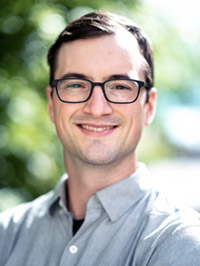
Dr. Ryan Ziels, Associate Professor in UBC Civil Engineering, is collaborating with FortisBC on a research project focused on improving renewable natural gas (RNG) production from organic waste. The project is supported by FortisBC’s Clean Growth Innovation Fund, which helps advance low-carbon energy solutions across the province.
Dr. Ziels and his team are studying how to apply renewable electricity to anaerobic digesters to stimulate specific microbial communities. The goal is to increase the amount of RNG that can be produced from the same volume of waste—improving system efficiency and exploring the potential for digesters to act as flexible energy storage units.
We’re exploring how to harness beneficial microbial communities in a way that enhances RNG production from existing digesters,” says Dr. Ziels. “This collaboration with FortisBC is helping to drive RNG innovation with real-world impact.
The project is part of a broader set of research initiatives funded by FortisBC through its Clean Growth Innovation Fund. Since 2020, the fund has supported collaborations with academic and industry partners focused on reducing emissions and testing new approaches to energy production and delivery.
Read more Environmental Systems Engineering News
- WEFTEC 2025 Winning Student Team present Design to Coquitlam City Council

- UBC Researchers Discover Microbes Turning Food Waste into Energy

- UBC Civil Engineering Researchers Awarded Federal Funding for Projects Addressing Critical Infrastructure and Climate Priorities
- UBC-led international team proposes global framework to tackle toxic tire pollution crisis

Exploring Risk at the Intersection of Civil and Nuclear
“Having end goals in mind made my decisions more intentional, shaping the courses I chose, the skills I focused on, and the opportunities I pursued”

Simon Willcox
Degree: Bachelor of Applied Science
Grad year: 2025
Program: Civil Engineering
Campus: Vancouver
Why did you choose Civil Engineering, and what drew you to risk analysis
I initially chose civil engineering with the intention of specializing in structural engineering and later pursuing a master’s in architecture to design custom homes. Over time, I grew interested in nuclear energy and its potential to provide limitless clean energy. This led me to explore seismic and catastrophic risk analysis as an intersection between civil engineering and nuclear infrastructure, focusing on mitigating nuclear sites’ exposure to extreme events and the risk of structural failures. I also gained an interest in how risk analysis applies to finance and insurance; risk models support underwriting decisions by quantifying exposure and potential losses, especially in sectors like nuclear energy, infrastructure, and construction. In summary, I’m drawn to risk analysis because of its applications across industries and its ability to increase the safety of infrastructure and investments.
What was your overall co-op experience like, and how did it shape you?
Throughout university, I completed two years of internships and co-op work terms with the Kiewit Corporation, a large general contracting company. The company and the people I met there were excellent and gave me a rewarding and varied co-op experience. I would advise new students to explore different companies and find one that aligns with their interests and goals. Kiewit allowed me to explore all my interests—including project management and structural engineering while also exposing me to new opportunities. As a Kiewit intern, I was given the same level of responsibility as a full-time field engineer. This pushed me well outside my comfort zone, but over time, I grew more confident in my abilities and learned to succeed in high-pressure environments. Each co-op experience reinforced the idea that by facing challenges head-on and committing fully to the work, I could rise to any occasion. This mindset and strong work ethic shaped my professional outlook, and I believe it carried through to stronger academics.
How did your UBC experience shape your future goals?
UBC exposed me to new ideas and brilliant people. At the start of university, in addition to architectural and structural design, I was also interested in vaccine development. The general first year of engineering allowed me to explore these different paths through diverse coursework, solidifying my interest in civil engineering. UBC’s strong co-op program made it an easy decision to extend my degree to gain industry experience. The combination of work terms and more specialized third-year courses helped me refine my interests and identify potential career paths. Once I started formulating career interests, I reached out to professors in my program. All of them were happy to share their career paths and the research they had been involved with, helping me evaluate my own career choices. I found the combination of co-op, coursework, exceptional faculty helped me gather a significant number of data points to evaluate career paths of interest.
What advice would you give to new Civil Engineering students?
In short, talk to people. Reaching out to professionals within or even adjacent to your field of interest and conducting informational interviews can expose you to career paths and advice you might never have considered. Engineering is an incredible profession where many people are not only willing but genuinely happy to share their experiences and offer guidance—often because others once did the same for them. Your professors are a particularly valuable resource, as they’re leaders in their field, respected in the industry, and often very well connected. Make use of their office hours to ask about their career journey, current research, or professional advice. Don’t hesitate to speak with your friends’ parents, past coworkers, or anyone else whose career you find interesting. Communicate courteously and with genuine curiosity, and you’ll be surprised how many people are willing to help when you simply take the time to ask. Finally, as you progress through your career, pay it forward and take the time to do the same for those who come after you.
What is the next step and what impact do you hope to make in infrastructure resilience?
To pursue my interest in risk and its applications to nuclear infrastructure, I will be continuing my education at Stanford University, where I will be completing the MS program in Mechanics and Computation. I will be taking further coursework in structural mechanics and risk analysis to improve my understanding of how to enhance the safety of nuclear infrastructure against structural failure and catastrophic events. My goal is to develop predictive tools that assess how components degrade over time and safeguard systems from extreme events such as earthquakes and flooding—helping to quantify risk, reduce potential losses, and support the long-term safety and insurability of nuclear facilities.
UBC Civil Engineering Staff Member Publishes Illustrated History of Vancouver’s Chinatown

What started as a quiet moment of reflection during the pandemic has become a powerful tribute to one of Vancouver’s most storied neighbourhoods. Donna Seto, Manager of Research and Strategic Initiatives in UBC Civil Engineering, has released Chinatown Vancouver: An Illustrated History, a 260-page book that brings together art, memory, and historical research to tell the story of Vancouver’s Chinatown through the lens of its architecture and community.
In June 2021, Seto took to the streets of Chinatown with her camera, revisiting a neighbourhood she knew well from her childhood. With the area quieter than usual due to the pandemic and ongoing shifts caused by gentrification, she began noticing architectural details she had never seen before. Inspired, she began painting the buildings in watercolour and sharing the work online.
What began as a personal project to reconnect with the neighbourhood evolved into something much larger. Her vivid and hopeful portrayals of Chinatown’s buildings—many imagined as they once were or could be again—sparked responses from community members who shared their own memories of the shops and homes depicted in her artwork.
Encouraged by the public’s enthusiasm and approached by an editor from House of Anansi Press, Seto developed her illustrations into a book that merges art and narrative. Drawing on her academic background in politics and international relations, she combined original paintings of 64 buildings, archival photos, and community interviews to construct a rich portrait of the neighbourhood.
The book’s five thematic chapters explore the evolution of Chinatown from the 19th century to the present, delving into everything from cultural societies and food businesses to architecture and migration history. Alongside full-page illustrations of buildings, the book also features charming depictions of dim sum dishes, Asian groceries, and local pastries.

Through her extensive research—including interviews with descendants of early entrepreneurs like Yip Sang and reviews of historical records—Seto sheds light on the often-overlooked contributions of Chinese Canadians to the city and country. “This is a story of everyday people,” she notes. The book’s timeline traces events in both China and Canada that shaped immigration patterns and policies, offering important context for the lives and legacies of those who made Chinatown their home.
More than a personal milestone, Chinatown Vancouver highlights how storytelling and art can preserve and bring new life to community history. Seto hopes the book will inspire future generations to gain a deeper understanding of what Chinatown once was and to appreciate the diverse voices and histories that shaped it. “I didn’t see myself in history; I didn’t see that people like me contributed to anything, but when you look at these individual histories, you realize that people did so much,” Seto says. “Even though they’re everyday things, they had ripple effects in the community and in Vancouver.”
Now available where ever books are sold including the UBC Bookstore, Seto’s work is a reminder that the built environment, when viewed through the lens of memory and lived experience, can tell powerful stories—not only about who we were, but also about who we can become.
Designing a Human-Centered Intersection for UBC’s West Gateway

Sam Abasalti, Eric Jung, Jessi Nguyen, Khoa Nguyen, Jerry Sethi, Julia Sydorova
Degree: Bachelor of Applied Sciene
Program: Civil Engineering
Campus: Vancouver
Our Project
The University of British Columbia is located within a forested area, accessible by remnants of 1960s–70s double-lane highways. One of these, Chancellor Boulevard, connects to East Mall and Northwest Marine Drive. As nearby land use evolved, new neighbourhoods emerged and brought increased use of active transportation modes such as walking, cycling, rolling, and micromobility. However, the current intersection is unsafe and outdated, lacking the infrastructure needed to support these users. This winning project aims to redesign the intersection to prioritize active travel, reduce vehicle speeds, enhance the sense of arrival to UBC, and include stormwater retention systems to prevent further cliff erosion by managing 100-year storm events on-site.
Our process and design solution
Our team’s process began with a site visit to the Chancellor Boulevard and East Mall intersection—before project assignments were even confirmed—driven by a shared concern for safety and accessibility. During this visit, we experienced firsthand the discomfort and vulnerability pedestrians face when navigating the intersection due to high vehicle speeds, limited crossing infrastructure, and poor accessibility features. This early engagement grounded our design in lived experience and informed our user-focused approach throughout.
Once assigned to the project, we conducted in-depth site and context analyses to assess traffic conditions, land use, environmental constraints, and stormwater issues. We identified key challenges, including the need to prioritize active transportation modes (such as walking, cycling, rolling, and micromobility), mitigate erosion caused by insufficient on-site rainwater retention, and navigate spatial limitations due to nearby protected lands (Pacific Spirit Park and University Endowment Lands).
Our original concept included separate pedestrian and cyclist pathways. However, following a design review and space feasibility analysis, we adopted 4-metre-wide multi-use pathways (MUPs) to provide flexibility and encourage shared, accessible use. These pathways, combined with clearly marked crossings and a redesigned roundabout, support a safer and more intuitive travel experience while reducing vehicle speeds.
Our final design integrates multiple civil engineering disciplines:
- Transportation and Safety Engineering: A roundabout with traffic-calming features, enhanced pavement markings, and improved sightlines.
- Stormwater Management: An engineered retention system designed to handle a 100-year storm, addressing ongoing cliff erosion and reducing runoff.
- Structural and Geotechnical Design: A gateway feature marking the entrance to UBC and upgraded pavement structures built for longevity and load-bearing performance.
- Construction Planning: A phased construction approach, traffic management plan, and cost estimation that make the project feasible for real-world implementation.
Together, these elements form a holistic and sustainable redesign that not only improves safety and usability but also creates a welcoming and resilient entry point to UBC.

The challenges we faced
One of the most significant challenges we encountered was working within strict spatial constraints. The project site is bordered by sensitive areas such as the University Endowment Lands and Pacific Spirit Park, which limited the available space for redesign without encroaching on protected land. Our initial concept proposed separate pathways for pedestrians and cyclists, but this approach proved unfeasible due to limited right-of-way.
In response, we reevaluated our approach through consultation with design instructors and shifted toward implementing 4-metre-wide multi-use pathways (MUPs). This solution allowed us to maintain accessibility, safety, and flow for both pedestrians and cyclists within the constrained space.

Another major challenge was designing a stormwater retention system that could effectively manage runoff from a 100-year storm event—an essential feature due to the ongoing erosion of nearby cliffs caused by insufficient drainage. This required careful planning, hydraulic analysis, and integration with the broader site design without compromising other infrastructure.
Additionally, balancing the needs of multiple transportation modes—motor vehicles, cyclists, pedestrians, and micromobility users—within a single intersection redesign demanded a multidisciplinary approach. We needed to ensure the final design supported both safety and intuitive navigation for all users, while also reinforcing the identity of the intersection as a gateway to UBC.
Throughout the project, coordination across our diverse team and disciplines—transportation, structural, geotechnical, stormwater, and construction planning—was key to overcoming these challenges and delivering a comprehensive and realistic solution.
What we’re most proud of
We’re most proud of how our team collaborated across different civil engineering disciplines to deliver a well-rounded, realistic, and future-focused redesign. Each member brought unique skills—from transportation and stormwater design to structural planning and construction phasing—which allowed us to tackle the project holistically.
We’re also proud of how our design balances technical feasibility with user experience, prioritizing safety, accessibility, and sustainability. Seeing our ideas come to life in a cohesive plan—and knowing it could one day make a real difference at UBC—is what makes this project so meaningful.


Our future project
We hope our redesign serves as a foundation for future improvements at the Chancellor Boulevard and East Mall intersection. While implementation will depend on further development and stakeholder engagement, we believe our proposal addresses key safety, environmental, and accessibility concerns.
Beyond this project, we envision future capstone teams building on our work—exploring new technologies, design strategies, or materials to continue improving UBC’s public spaces. Our goal was not just to solve today’s issues, but to spark long-term, innovative thinking about how infrastructure can better serve diverse users and a changing climate.
Exploring Wind Energy and Earthquake Resilience: UBC Civil Engineering Joins Geering Up for a Day of Hands-On Learning

UBC Civil Engineering recently participated in a Geering Up event aimed at engaging Grade 8 to 11 students in STEM through hands-on, interdisciplinary activities. Held on UBC campus, the day-long event brought together 30 students from across the Lower Mainland—including Surrey, Burnaby, Coquitlam, and Langley—for an inspiring introduction to engineering, synthetic biology, and kinesiology.
As part of the Civil Engineering led by Dr. Mona Amer, a postdoctoral fellow at UBC Civil Engineering, students explored how wind energy systems interact with the environment—especially in seismic-prone regions. The session began with an overview of wind energy, structural dynamics, and structural health monitoring to set the stage for a practical design challenge.
Participants then put their learning to the test in a 25-minute wind turbine design activity, using everyday materials like cardboard, wood, plastic cups, and tape to create their own structures. The hands-on nature of the challenge made it a highlight of the day. One participant shared, “Building activities were super fun and I learned new things.”

The workshop continued with digital simulations of structural responses to different vibration scenarios. Using pre-installed software on laptops, students were able to visualize how engineering structures behave under dynamic loads. The final and most anticipated activity involved testing their turbine designs on mini shake tables to simulate earthquake conditions—an exciting demonstration of real-world engineering principles. According to organizers, several participants listed the shake table tests as their favorite part of the day.
This event was part of Geering Up’s ongoing commitment to creating inclusive and accessible STEM outreach programs. With mentors from diverse disciplines and career levels, students had the chance to see how engineering connects to a wide range of fields—and how their ideas could one day make a difference.
Building Climate-Relevant Skills in Civil Engineering Classrooms
The original version of this article can be found at UBC Sustainability.

Dr. Tamara Etmannski is helping lead a new curriculum initiative that integrates carbon literacy and climate-responsive design into engineering education.
As climate change intensifies extreme weather events and environmental disruptions, the engineering profession is being called upon to respond with systemic, forward-thinking solutions. That demand is now shaping how future civil engineers are trained at UBC.
Dr. Tamara Etmannski, Assistant Professor of Teaching in UBC Civil Engineering, is co-leading a cross-faculty curriculum project to embed sustainability-focused, modular content into undergraduate and graduate courses. In collaboration with Caren Lombard (UBC Sauder) and Dr. Qingshi Tu (UBC Forestry), the project—Accounting for Climate Change—is expanding students’ access to experiential learning opportunities that prepare them to address real-world climate challenges.
“There’s a lot of learning around sustainability and climate change at a foundational level,” says Dr. Etmannski. “But not in a quantified way. Engineers are now expected to understand and apply carbon calculations—and connect them directly to their design decisions.”
Supported by the UBC Sustainability Hub’s Sustainability Education Fellows Program, the project focuses on developing open-source modules that introduce students to key tools such as carbon and greenhouse gas accounting, life-cycle analysis, and embodied carbon calculations.
Applied Learning Through Real Case Studies
Through the new curriculum, students will gain hands-on experience analyzing carbon emissions from real companies and infrastructure projects. These case studies help students link theory with practice, while honing essential skills like interdisciplinary communication and sustainability planning.
One example includes incorporating embodied carbon modules into existing civil engineering courses that focus on infrastructure and construction materials. Students learn how to quantify the environmental impacts of their design decisions—an increasingly important consideration across engineering disciplines.
A Flexible, Modular Approach
Instead of creating entirely new courses, the team is designing standalone modules that can be embedded into existing curricula. These short-form learning units—designed to be delivered over a week or even a single class—maximize student exposure while minimizing disruption to academic schedules.
“If we can get one week or even one class,” says Lombard, “we can actually reach more students that way.”
The modular format also opens doors for graduate students and industry professionals looking to upgrade their skills through micro-credentials or continuing education pathways.
Training Climate-Ready Engineers
By modernizing how climate content is delivered in engineering programs, Dr. Etmannski and her colleagues are helping position UBC Civil Engineering students as climate-literate, industry-ready leaders.
As industry expectations shift, this initiative ensures UBC graduates are equipped not only to meet those expectations—but to shape the future of sustainable design.
Related Links
Where Civil Engineering Meets Public Health: A Closer Look at Tire Wear Pollution
This Q&A features one of the winners of the 2025 Three Minute Thesis (3MT®) competition, a university-wide challenge that invites graduate students to present their research in just three minutes—using only one slide and no jargon. The goal? To make complex research accessible, engaging, and inspiring to a broad audience.
In this spotlight, you’ll hear from Katie Moloney, a UBC Civil Engineering graduate student whose research is shedding light on an emerging and often overlooked source of pollution: tire wear particles. Her work explores how this invisible pollutant travels through urban air, transforms chemically, and may impact lung health—bridging environmental engineering and public health in powerful new ways.

Katie Moloney
PhD student
Research area: Environmental System Engineering
Campus: Vancouver
Can you share a brief summary of your research and why it’s important?
My research focuses on a pollutant called tire wear particles (TWP), or small rubber particles which are created via tire abrasion while driving a vehicle. Globally, tire wear particles are one of the largest sources of microplastic release. Despite this, the impacts of tire wear pollution remain poorly understood. Recent research has shown that individuals living in urban areas are at high risk of exposure to tire wear via inhalation. My work aims to understand the chemical composition of tire wear particulate, assess how these chemicals transform in the atmosphere, and understand how this pollution may adversely affect lung health. This work is important because it affects a huge portion of the human population! Our urban environments are ripe with pollution and understanding the effects is critical.
What inspired you to pursue this topic, and how do you see your research making an impact in your field or beyond?
Environmental engineering and public health are deeply interconnected topics, yet they are often studied in isolation. I began my research journey as an undergraduate student, focusing on heavy metals in drinking water. This piqued my interest in toxic contaminants and their impact on human health, and I became increasingly interested in other avenues of exposure to harmful chemicals. Through my research, I aim to understand the chemical makeup of tire wear pollution and bridge the gap to public health by unpacking how these chemicals can adversely affect human lung health. Ultimately, I hope my work encourages a shift towards more integrated approaches to research in environmental engineering and public health.
What was the biggest challenge in distilling your research into a three-minute presentation?
I recently began my PhD and am currently in the project-definition stage of my research. There is limited understanding of tire wear pollution, and I have been working through the learning curve of transitioning from water quality to air quality research. I have struggled to refine my research scope given the limitless unknowns in environmental research and limited time and feasibility within a dissertation. Refining even further to explain these potentials in a three-minute format was that much more difficult. Strangely, I found it refreshing to be constrained to such a short format, and I was able to focus on my strongest interest, understanding human health, during my presentation.
What was your favorite part of participating in the 3MT competition, and what did you learn from the experience?
I enjoyed learning about other research happening in our department and was, as always, astounded by the sheer breadth of research occurring within our department. Civil Engineering encompasses a huge umbrella of research topics but ultimately, I was excited to see how each presenter had an interest in understanding and improving our lived environment.
What’s next for you and your research? Any exciting developments on the horizon?
About four more years of research! I am just beginning my research and am excited to start up collaborations with other groups on campus as I get the ball rolling!
From Reaction to Prevention: Reimagining Road Safety Through Data
This Q&A features one of the winners of the 2025 Three Minute Thesis (3MT®) competition, a university-wide challenge that asks graduate students to present their complex research in just three minutes—using only one slide and no jargon. The goal? To make research accessible, engaging, and inspiring to a broad audience.
In this spotlight, you’ll hear from a UBC Civil Engineering graduate student whose award-winning research is helping reshape how we approach traffic safety—moving from reactive responses to proactive, data-driven solutions that aim to save lives.

Tarek Ghoul
PhD student
Research Area: Transportation Engineering
Campus: Vancouver
Can you share a brief summary of your research and why it’s important?
My research focuses on the proactive prediction and prevention of traffic collisions through the development of advanced traffic safety technologies. Traditionally, transportation agencies rely on several years of crash data before identifying high-risk locations and implementing countermeasures. This delayed intervention allows preventable injuries and fatalities to continue. My work introduces a framework that estimates crash risk over short time intervals using video analytics and autonomous vehicle sensor data and proposes different ways of mitigating this risk. I have developed practical tools to apply crash risk estimates, including traffic signal optimization algorithms, safe-route navigation systems, and methods to identify and rank hazardous locations across a road network. The overarching goal of my research is to shift road safety from a reactive to a proactive approach.
What inspired you to pursue this topic, and how do you see your research making an impact in your field or beyond?
Traffic-related fatalities account for over 1.2 million deaths globally each year and remain the leading cause of death among young people. With the rapid advancement of technology, many of these deaths are preventable. This reality motivates me to develop data-driven, scalable solutions that can meaningfully reduce collision risk. My goal is for this research to be implemented in real-world systems, ultimately contributing to safer roads and helping bring us closer to the vision of zero traffic fatalities.
What was the biggest challenge in distilling your research into a three-minute presentation?
I believe the biggest challenge is addressing the overall scope of the research. In order to understand my work, I must first explain how we can predict crashes before they occur in simple terms. To do so takes time from the rest of the presentation. This leaves me with under 90 seconds to discuss each of my major contributions, each of which can be its own presentation. 30 seconds were allocated to discussing a hazardous location identification system, a safest route algorithm, my signal optimization work. Explaining these and their significance in this time is challenging. In hindsight, it would have been much easier to focus on one application instead of explaining the whole thesis.
What was your favorite part of participating in the 3MT competition, and what did you learn from the experience?
I really appreciated the challenge of distilling a complex research topic into a clear, engaging message that anyone can understand. While I have experience presenting at academic conferences, the strict three-minute time limit required me to think much more strategically about how to communicate my work effectively, particularly as it applies to storytelling, messaging, and engagement.
What’s next for you and your research? Any exciting developments on the horizon?
I’m currently developing new traffic signal optimization algorithms that improve safety for both vehicles and pedestrians using reinforcement learning. These algorithms are designed with real-world deployment in mind, and I’m working on ensuring that they are practical and ready for field implementation. I believe that this system would result in significant improvements in safety and mobility that would be scalable and substantially reduce the number of collisions on our roadway networks.
UBC Research Tackles Toxic Tire Chemical to Protect Aquatic Life

A research initiative led by Dr. Rachel Scholes from UBC Civil Engineering and funded by the British Columbia Salmon Restoration and Innovation Fund (BCSRIF) is addressing the environmental impact of 6PPDQ, a toxic chemical produced from tire wear that poses a significant threat to sensitive aquatic species.
To better understand the spread and concentration of 6PPDQ in urban environments, over 100 water samples were collected from Metro Vancouver streams. This data has played a key role in shaping British Columbia’s new provincial water quality guideline for 6PPDQ, providing a regulatory framework to monitor and limit this pollutant in freshwater ecosystems.
Recognizing the need for both policy and direct intervention, the research team has also designed pilot bioretention systems to filter out contaminants before they enter local waterways. These systems, now installed along West King Edward Avenue in partnership with the City of Vancouver, capture and treat stormwater runoff, preventing harmful substances like 6PPDQ from reaching fish habitats.

Collaboration has been a cornerstone of this project, bringing together municipalities—including Vancouver, Surrey, and Burnaby—along with Fisheries and Oceans Canada (DFO), Kerr Wood Leidal (KWL), and Indigenous partners. By working across jurisdictions, the project is fostering a coordinated approach to addressing urban water pollution while integrating scientific research with community-driven solutions.
While this research is crucial for protecting aquatic ecosystems, it also has broader public health implications. Contaminants like 6PPDQ can make their way into drinking water sources and food chains, and can contribute to roadside air pollution, affecting both environmental and human health. By developing strategies to reduce tire-related pollution, this work contributes to cleaner water and air for communities, supporting healthier environments for both people and wildlife.
In Memoriam: Dr. Donald Leigh Anderson
It is with great sadness that we announce the passing of Dr. Donald Leigh Anderson. He passed peacefully on Friday, January 17th, surrounded by loved ones in Vancouver, British Columbia.

Don was born on June 20, 1934, in the small community of Scandia, Alberta. Don received his BSc degree in Civil Engineering at the University of Alberta in 1956. He then worked as a design engineer and field engineer in Edmonton from 1956-1960. He received his MS in Civil Engineering in 1962 from the University of Illinois and his PhD in Engineering Mechanics from Stanford University in 1965. He worked as a research engineer at the Stanford Research Institute before joining UBC as an Assistant Professor in July 1966. Don was promoted to Associate Professor in 1976 and Full Professor in 1990.
As a faculty member, he made significant contributions in the areas of nonlinear analysis of structures for seismic excitation, theoretical and experimental analyses of masonry for seismic conditions, code provisions for masonry design, dynamic nonlinear response of blast loaded structures, and wall and shell instability analysis.
Dr. Anderson’s advice was sought on several world-class projects both near and far because he is outstanding in his field of applied mechanics. He was part of special visiting delegations to sites of major earthquakes around the world; documentation of the findings from these visits has helped to shape current practice. He was recognized as the consultant’s consultant – a role he excelled at among both the members of the external engineering community and his Department colleagues in the areas of structural and geotechnical engineering.
Throughout his academic career, Don was always a champion of students. His door was always open, and more often than not, a student was either sitting in a chair talking with Don or discussing concepts on the board. Over many years, Don provided excellent service to the Department in several roles, including course scheduling, graduate advising, curriculum committee work, and five years as Assistant to the Head.
Don is survived by his wife Edith, his daughter Lis and her husband Owen, his son Scott and his wife Annette and their daughter Madeleine, and his sister Beth. He is predeceased by his brothers Dick, Bud and Lincoln, and his sister Joyce.
Don will be deeply missed by those who knew and loved him. He will be remembered for his intelligence and curiosity, his wry smiles, and his generosity and willingness to support others. He was an important mentor to a generation of students. He was a great listener. Though sometimes a man of few words, when he spoke, people listened. Were you to throw a party, back in the day, Don might be the first to arrive and the last to leave. When such skills were called upon, he could knit himself a sweater, fly an airplane, bake delicious sourdough bread, keep a hive of bees, or build half the furniture in the house. Don had strong views on the correct loading of dishwashers. He was an engineer to the very end.
On February 6th, there will be flag lowering in the honour of Dr. Don Andersen. Please keep his family and loved ones in your thoughts during this difficult time.
For more information on the flag lowering ceremony, please visit UBC Ceremonies and Events.
Dr. Alexander Bigazzi Wins Wall Legacy Award for Inclusive, Sustainable Transport Design

A faculty research team led by Dr. Alexander Bigazzi, Associate Professor in UBC’s Department of Civil Engineering, has been awarded a Wall Research Award on the project Human-centered design for sustainable transportation in British Columbia: An inclusive approach to infrastructure design based on diverse experiences of walking and cycling. This initiative focuses on creating transportation infrastructure that equitably attracts users to sustainable travel modes such as walking and cycling while enhancing user experiences. The project aligns with BC’s ambitious goals to reduce driving by 25% and increase sustainable travel modes to 30% by 2030.
“This project addresses a critical gap in transportation planning by focusing on the individual experiences of diverse users,” Dr. Bigazzi explains. “We aim to develop infrastructure design guidance that makes sustainable travel more accessible and enjoyable for everyone, especially those who have been historically underserved.”
The interdisciplinary research team includes Dr. Kelly Clifton from the School of Community and Regional Planning, Dr. Todd Handy from the Department of Psychology, and Dr. Eli Puterman from the School of Kinesiology. Together, they bring expertise in urban planning, neuroscience, kinesiology, and civil engineering. Dr. Bigazzi highlights the strength of their collaboration: “Our team comes from very different backgrounds, but we’re united by a shared interest in solving real-world problems. It’s exciting to work together and see how our expertise complements each other.”
The research builds on earlier work by Dr. Bigazzi and Dr. Puterman, who collaborated to explore how physiological biomarkers such as heart rate variability can measure stress responses during active travel. “We’re using these tools to understand how individuals respond to urban environments,” Dr. Bigazzi notes. “For instance, people cycling react to threats from motor vehicles different ways, and we want to develop design solutions that enhance comfort and safety for a large share of the population.”
Dr. Bigazzi also emphasizes the importance of inclusivity: “Traditional transportation systems often cater to a ‘design user’ that does not represent significant portions of the population. We’re focusing on creating designs that work better for everyone, including underrepresented groups like women, who often cycle at lower rates due to safety concerns.”
Although the project is focused on British Columbia, its findings are expected to have broader implications for sustainable transportation design worldwide. “We want to develop a research framework that other regions can adapt, even with different cultural and infrastructural contexts,” says Dr. Bigazzi.
UBC Civil Welcomes Dr. Bavisha Kalyan as Assistant Professor in Civil Engineering for Thriving and Equitable Communities

The Department of Civil Engineering at the University of British Columbia is pleased to welcome Dr. Bavisha Kalyan (she/her) as an Assistant Professor in Civil Engineering for Thriving and Equitable Communities.
Dr. Kalyan brings extensive expertise in environmental engineering and a dedication to community-centered research that addresses social and environmental challenges. Her work focuses on building equitable community-academic partnerships to tackle contaminant exposure in vulnerable communities, with a focus on understanding how contaminants affect health and well-being.
Dr. Kalyan holds a Master of Science and a Doctor of Philosophy in Environmental Engineering from the University of California, Berkeley, as well as a Bachelor of Science in Environmental Engineering from Johns Hopkins University.
In her previous work, Dr. Kalyan led a holistic approach to measuring lead exposure across water, paint, soil, and dust sources through a community science campaign. This initiative not only provided critical data on lead exposure but also uplifted community voices, supported workforce development programs, and engaged youth in environmental science.
At UBC Civil, Dr. Kalyan plans to continue her work on equitable infrastructure solutions in water, food, energy, and transportation systems. Her vision is to co-create engineering research with a diverse range of partners, including students, community members, community-based organizations, and other stakeholders. This collaborative approach aims to develop solutions that are both technically sound and socially responsible, contributing to the well-being of communities and the environment.
“We’re thrilled to welcome Dr. Kaylan to the Civil Engineering community! As civil engineering challenges are becoming increasingly complex, often drawing on the needed expertise from a variety of areas, Dr. Kaylan’s interdisciplinary work and expertise in working with vulnerable communities, will help facilitate future research innovation and approaches to teaching!” said Dr. Sheryl Staub-French, Head pro tem.
Dr. Kaylan is part of the broader UBC President’s Academic Excellence Initiative (PAEI) and APSC’s focus on Thriving and Resilient Cities & Communities. The initiative deeply aligns with APSC’s and the Department of Civil Engineering’s strategic priorities in leveraging the unique set of knowledge and approaches needed to address complex and emerging problems facing cities and communities.
UBC Civil Insights on Vancouver Seismic Risk Report
A new report from the City of Vancouver and Natural Resources Canada has outlined how a 7.2-magnitude earthquake could impact Vancouver, and it highlights six neighborhoods in high-risk areas.
In the report, Vancouver’s West End, Yaletown, the Downtown Eastside, Kitsilano, Fairview, and Mount Pleasant have the highest risk of damage from a large earthquake.
Seismic experts at UBC Civil Engineering have provided valuable insights on the recent City of Vancouver Council Report on Seismic Risk, highlighting the urgent need for strategies to strengthen vulnerable buildings and infrastructure against earthquake damage.
Billions in damage, thousands of injuries: Report maps out Vancouver earthquake risks – Global News, November 17
The report highlights the severe risks a large earthquake poses to the city, estimating potential damage to over 6,100 buildings and up to $17 billion in costs. Dr. Shahria Alam, a UBC Civil Engineering professor, commended the city’s identification of high-risk structures but noted that addressing the issue will require significant government funding and incentives.
Some private Vancouver buildings are at serious risk of earthquake damage, professor says – CBC News, November 11
Dr. Perry Adebar, a professor of structural and earthquake engineering at the University of British Columbia, says some older buildings in Vancouver are in a frightening state, after the city released a report on the seismic risk in privately owned properties
‘Existential threat’: How a big earthquake would devastate Vancouver – Vancouver Sun, November 12
Dr. Carlos Ventura, a UBC Civil Engineering professor and expert in earthquake engineering, emphasized the urgency of addressing these vulnerabilities, noting that previous reports often failed to prompt sustained action. He expressed hope that the city’s recent focus, including hiring a lead seismic planner, might drive real progress. Ventura cautioned that without significant financial support and political will, Vancouver faces a situation similar to past seismic disasters in Turkey and New Zealand, which led to long-lasting impacts.
UBC Civil Engineers help monitor and preserve heritage sites
The ancient Mayan city of Tikal, located in Guatemala, is home to a series of deteriorating structures that hold immense historical and cultural significance. Among these monuments is Temple II, one of the iconic pyramids currently facing the threat of structural decay. To address this challenge, a team from UBC Civil Engineering has been collaborating with San Carlos University, the National University of Guatemala, and the Guatemalan Ministry of Culture and Sports to assess and preserve these ancient temples using advanced structural health monitoring techniques.
The team from UBC Civil Engineering including Dr. Mehrtash Motamedi, led by Dr. Carlos Ventura, recently deployed their Non-Destructive Testing (NDT) and Vibration-Based Structural Health Monitoring (SHM) methods at Tikal. Unlike traditional methods that might involve invasive procedures, NDT allows for the evaluation of the temple’s structural integrity without damaging the ancient stonework. This approach enables archaeologists and engineers to assess the “health” of the structures, identify weaknesses, and determine the best methods to protect and preserve them.

SHM, a key focus of this project, involves analyzing the dynamic behavior of a structure by using integrated sensors that can detect even the slightest vibrations. During their visit to Tikal, the team utilized nine wireless portable seismometers to record the micro-vibrations of Temple II. The data collected was then analyzed to identify the temple’s dynamic properties, providing valuable insights into its structural stability and how it might respond during an earthquake.
UBC Civil Engineering has developed advanced methods of vibration-based SHM techniques over the years for assessing large civil engineering structures. Dr. Nemy Banthia and Dr. Tony Yang have also contributed significantly to research in this area, positioning UBC as one of the leaders in the field of structural health monitoring.
The success of these initial tests has drawn the interest of the Guatemalan government, which has authorized the UBC team to expand their assessment to other temples and pyramids within Tikal. The next phase of testing is scheduled for the spring of next year, and it aims to include more of these historical monuments to ensure their preservation for future generations.
The ultimate goal of this collaboration is not just to protect the archaeological sites of Tikal but also to develop techniques that can be applied globally. As earthquakes and other natural disasters threaten heritage sites around the world, these innovative methods could become essential tools for preserving cultural monuments.
New funding for CoLab PhD research on extreme weather
A new funding initiative at UBC is bringing together expertise from multiple disciplines to tackle one of the most pressing problems of our time: managing the impact of extreme weather conditions, such as heatwaves and heavy rainfall. With $53,000 in annual renewable funding, the Collaborative PhD Program is aimed at training students across diverse fields to develop innovative solutions to climate-related challenges while fostering cross-disciplinary knowledge and collaboration.
As extreme weather events become more frequent and severe, the need for innovative solutions is greater than ever. This funding will support research focused on stormwater management and heatwave mitigation, specifically through the use of artificial trees that absorb stormwater and cool the environment through evaporation.
“When water evaporates, it absorbs heat, effectively regulating temperature,” explains Dr. Jongho Lee from UBC Civil Engineering. “By mimicking this process with artificial trees, we aim to both manage stormwater and cool urban environments during heatwaves.”
This novel approach requires expertise from a range of fields. That’s why Dr. Lee has teamed up with Dr. Simcha Srebnik from UBC CHBE and Dr. Feng Jiang from UBC Forestry. Together, they are working on developing infrastructure that can act as both a stormwater management system and a cooling mechanism, transforming buildings into “trees” to save space and resources.
A key goal of the Collaborative PhD Program is to train students not only in niche areas but also to expose them to a broad range of disciplines. “This funding allows us to gather diverse expertise from civil engineering, chemical engineering, and forestry,” says Dr. Lee. “By working together, we can train our students to think across disciplines and develop holistic solutions to complex environmental problems.”

Over the course of the two-year program, students will meet regularly in monthly sessions, presenting their research to one another and exchanging knowledge. This format encourages active collaboration, allowing students to learn skills and techniques from different fields.
To further strengthen collaboration, the program is organizing a series of workshops and retreats. The first workshop, organized in July, brought together students and researchers from different labs to share general lab knowledge, ensuring that everyone can benefit from each other’s expertise.
Beyond the immediate research, this funding will also support the development of future proposals and ideas, providing ongoing educational opportunities for PhD students and positioning UBC as a leader in climate-focused research.
The $53,000 annual funding, which is renewable, primarily supports the education and development of PhD students. “It’s not just about solving one problem,” says Dr. Lee. “It’s about developing the skills and knowledge that our students will carry with them throughout their careers, enabling them to address the ongoing impacts of climate change.”
UBC Civil Engineering unveils new hallway mural in CEME


The Civil and Mechanical Engineering Building is not quite how students left it at the end of the last academic term. Over the summer, the white walls that lined the hallway leading down the Civil Engineering laboratories were transformed into a colorful mural by local Musqueam artist, Debra Sparrow, and her team. Titled “The Thunderbird Welcomes Back the Orca”, the art piece depicts the Thunderbird returning to the traditional Musqueam territories that UBC is located on, crossing paths with the Orca Pod.
Several of Debra Sparrow’s murals can be found throughout Vancouver, and her work is also featured in the APSC course Weaving Relations. However, this project marks Debra’s first mural for UBC.
Her team elected to complete most of the mural organically, using cut-out stencils as opposed to a projector. The Thunderbird in her design acts as a reminder of the responsibility Civil Engineers carry with them over the course of their careers; to guide, protect and demonstrate a safe and healthy path into the future.
Fully funded by Civil Engineering, the mural arose from a desire to revitalize the heavily-used hallway with something meaningful that the community could connect with. The artwork aligns with one of the top priorities of Civil’s Strategic Plan — Indigenous Inclusion.

“Part of this project is to ensure our community respects the land in which CEME sits on; provide a reminder to our students, faculty and staff that meaningful and respectful engagement with Indigenous communities is paramount; and the need to consider Indigenous ways of knowing and worldviews in our research, teaching and ways of doing things,” says Donna Seto, Manager of Research and Strategic Initiatives.
A small ceremony will be held to celebrate the completion of the mural and educate the community about its significance.